



What's Happening?
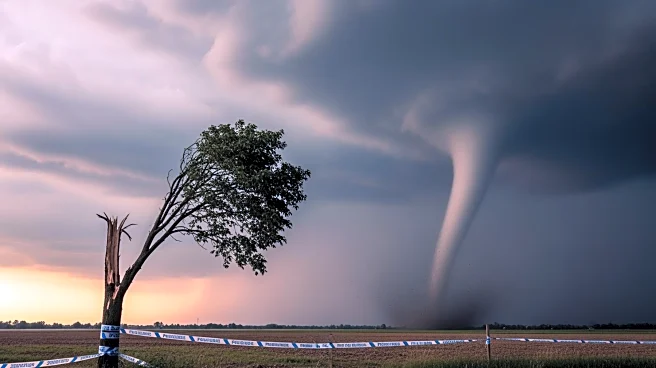
A series of powerful storms have caused devastating tornadoes across parts of Oklahoma and Michigan, resulting in the deaths of at least eight people, including a 12-year-old boy. The tornadoes left a trail of destruction, reducing homes to rubble and displacing
numerous residents. Survivors are now beginning the arduous process of cleaning up and assessing the damage. The storms have highlighted the vulnerability of these regions to severe weather events and the urgent need for disaster preparedness and response.
Why It's Important?
The impact of these tornadoes underscores the importance of effective emergency management and disaster response systems in the U.S. The loss of life and property highlights the need for improved infrastructure and community preparedness to mitigate the effects of such natural disasters. The events also raise questions about climate change and its role in increasing the frequency and intensity of severe weather events. Addressing these challenges is crucial for protecting communities and reducing future risks.
What's Next?
In the aftermath of the tornadoes, local and federal agencies will focus on providing relief and support to affected communities. Efforts will include rebuilding infrastructure, offering financial assistance to displaced residents, and implementing measures to enhance future disaster resilience. Policymakers may also consider revisiting building codes and land-use planning to better withstand severe weather. The response to this disaster will be closely monitored as a test of the nation's preparedness and resilience strategies.