




What's Happening?
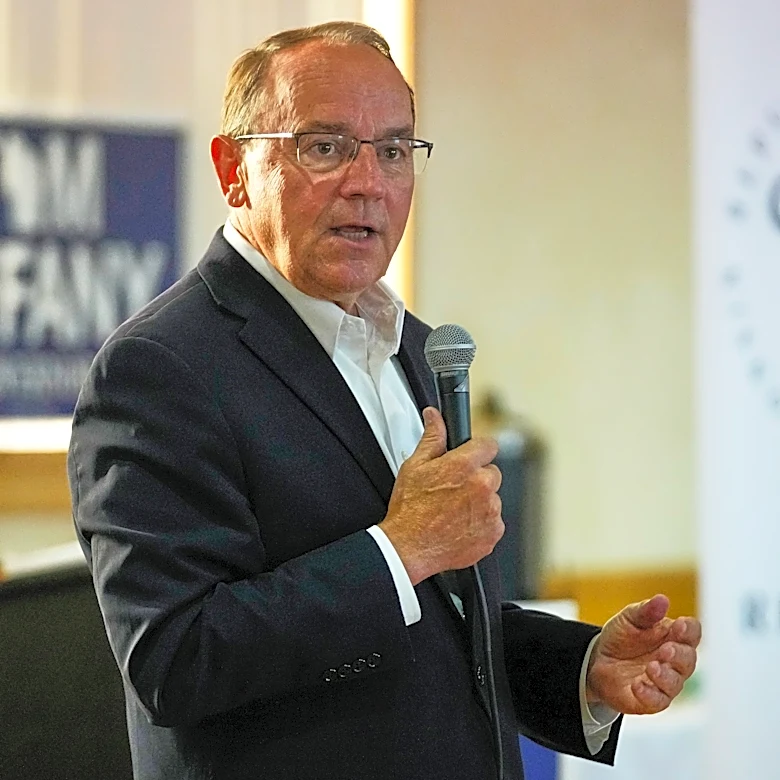
Seth Walsh, who was elected to the Cincinnati City Council in 2022, took the seat previously vacated by U.S. Representative Greg Landsman. Walsh is now running for Ohio Treasurer against Republican Jay Edwards. Walsh, who ran unopposed in the Democratic
primary, has a background in community redevelopment projects in Cincinnati and serves on several city council committees, including Budget and Finance. He also sits on the Cincinnati Retirement System Board of Trustees, which his campaign highlights as relevant experience for overseeing Ohio's $280 billion budget. Walsh advocates for returning unclaimed funds to their rightful owners rather than using them for projects like sports stadiums and pledges to ensure Ohio's public dollars are invested within the state, specifically stating he will not make new investments in Israel or any other country. He also plans to assess Ohio's investments in BBB bonds and advocate for reinvestment in higher-rated bonds.
Why It's Important?
The Ohio Treasurer race is significant as the office manages the state's $280 billion budget, impacting tax collection, state investments, and debt oversight. Seth Walsh's platform, including his stance on unclaimed funds and investment strategies, could have substantial implications for how Ohio's public money is managed and allocated. His opposition to using unclaimed funds for sports stadiums reflects a broader debate about public resource allocation and accountability. Furthermore, his pledge to prioritize in-state investments and avoid new investments in other countries, such as Israel, could influence Ohio's economic development and international financial relations. The focus on assessing and potentially shifting investments from BBB bonds to higher-rated ones indicates a move towards a more conservative investment strategy, which could affect the state's financial risk profile and returns. This election will determine the direction of Ohio's financial stewardship and its impact on taxpayers and local economies.
What's Next?
The Ohio Treasurer race will culminate in the November election, where voters will decide between Seth Walsh and Jay Edwards. Both candidates are expected to continue campaigning on their respective platforms, emphasizing their financial philosophies and priorities for managing the state's budget. The outcome of this election will directly influence Ohio's investment policies, the allocation of state funds, and the approach to financial oversight. Should Walsh win, his proposed changes to investment strategies and his stance on using unclaimed funds could lead to legislative efforts to implement these policies. The debate over data center tax breaks, which both candidates have addressed, is also likely to continue, potentially leading to new regulations or incentives for such developments in Ohio. The election will set the financial course for the state for the coming years.
Beyond the Headlines
The race for Ohio Treasurer highlights deeper philosophical differences in public finance management. Walsh's emphasis on keeping investments within Ohio and his specific stance on international investments reflect a growing sentiment of economic nationalism and a desire to prioritize local economic growth. This approach could spark broader discussions about the role of state treasuries in fostering domestic industries versus seeking the highest possible returns globally. The debate over using unclaimed funds for public projects versus returning them to citizens also touches upon ethical considerations of government stewardship and individual property rights. Furthermore, the candidates' positions on tax breaks for data centers underscore the tension between attracting large corporations and ensuring equitable tax burdens for all citizens. These issues reflect ongoing societal debates about economic fairness, government responsibility, and the balance between local and global economic priorities.