







What's Happening?
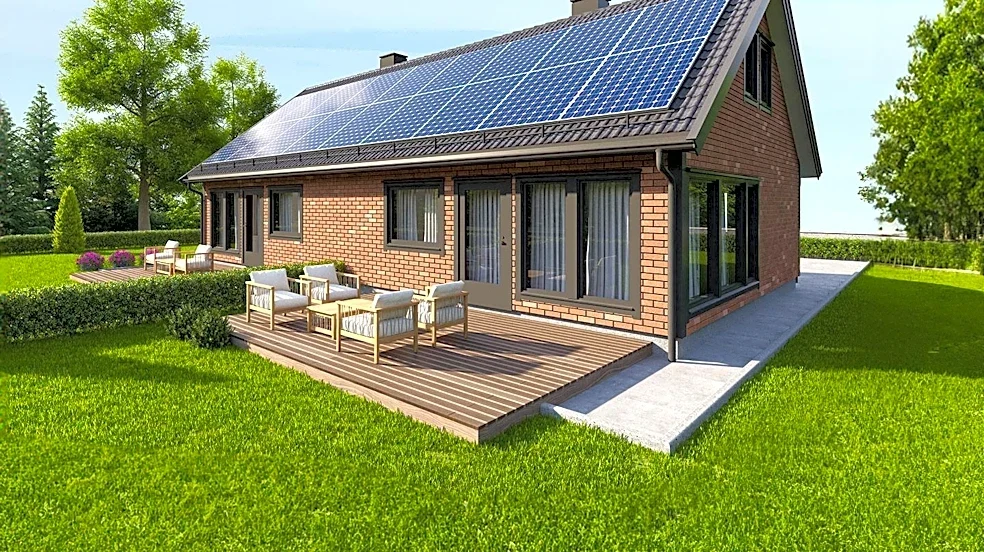
New York State is launching a $200 million incentive program, the Affordable Solar Residential Incentive, to support home solar installations, particularly for low- and moderate-income households. This initiative aims to mitigate the impact of the federal
tax credit for home solar installations ending after December 31, 2025. The program is expected to reopen for National Grid and other Upstate utilities, offering an estimated $1,200 in annual savings for typical Central New York homeowners. Approximately $20 million of the total funding is specifically allocated to revive the residential incentive previously offered through NY-Sun, with the goal of funding around 6,500 home solar systems over the next two years. Applications for this program are anticipated to open in the coming weeks, though an exact date has not yet been announced. To be eligible for these state incentives, households must have an income no greater than 80% of the area median income.
Why It's Important?
This state-level intervention is crucial for maintaining momentum in residential solar adoption in New York, especially as federal incentives phase out. The program directly addresses affordability barriers, making solar energy accessible to a broader demographic, including low- and moderate-income households who might otherwise be excluded due to upfront costs. By providing significant financial relief, the initiative encourages energy independence and reduces reliance on traditional energy sources, contributing to the state's renewable energy goals. The projected annual savings of $1,200 can substantially impact household budgets, particularly for those with limited incomes, fostering economic stability and reducing energy burdens. This move also positions New York as a leader in state-backed renewable energy support, potentially influencing other states to develop similar programs in response to changing federal policies.
What's Next?
Applications for the Affordable Solar Residential Incentive are expected to open in the coming weeks, though a specific date remains unannounced. Once launched, eligible households will be able to apply for the incentives, which are designed to fund approximately 6,500 home solar systems over two years. The success of this program will likely be closely monitored by state energy agencies and utility companies, particularly National Grid and other Upstate utilities involved in the rollout. Depending on the uptake and effectiveness of the incentives, there could be future adjustments or expansions to the program. Additionally, the initiative's performance may serve as a model or case study for other states considering similar measures to support residential solar in the absence of federal tax credits.