


What's Happening?
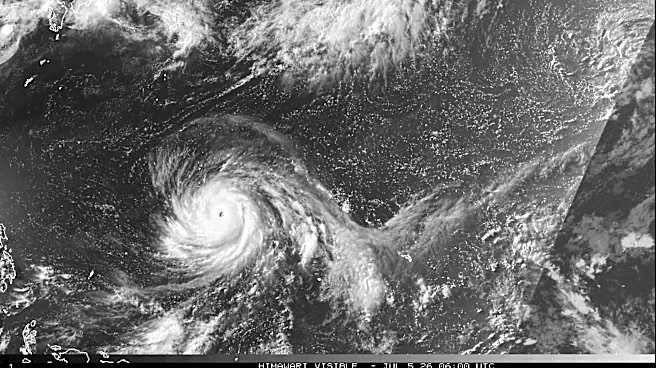
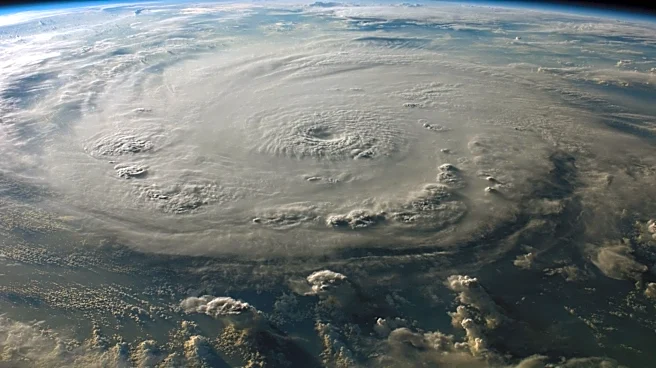
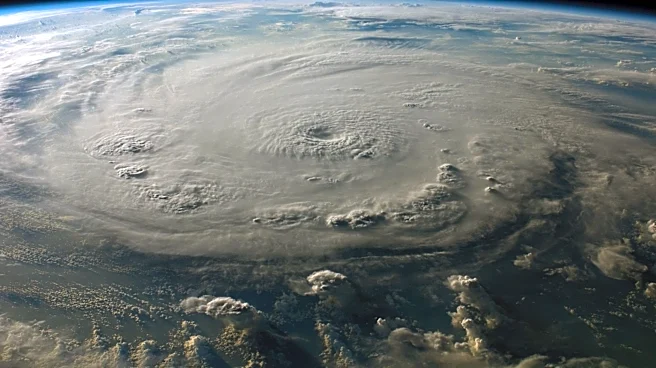
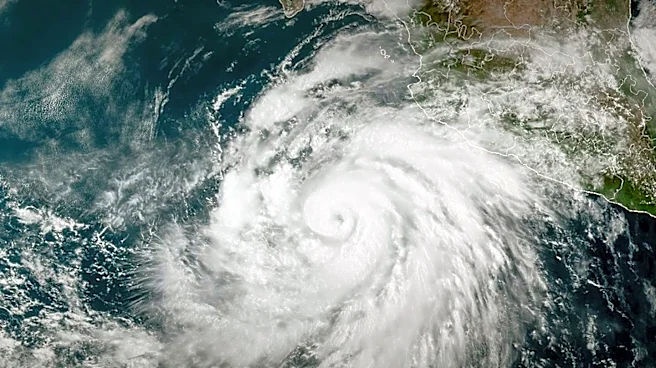
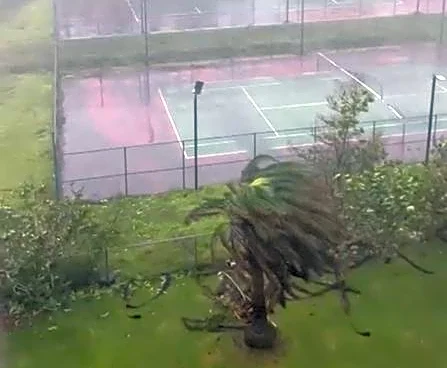
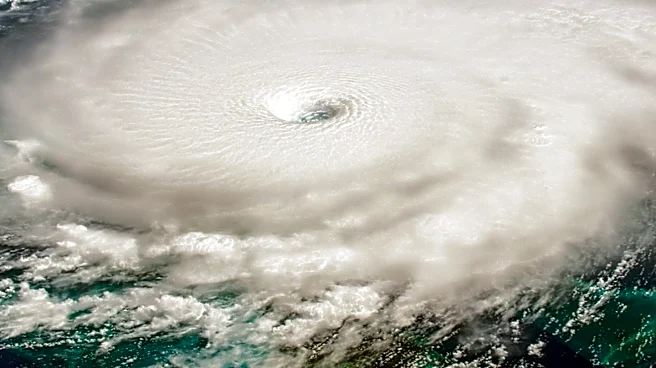
Super Typhoon Bavi has made landfall over a small U.S. territorial island near Guam, bringing severe weather conditions to the Northern Mariana Islands. The National Weather Service reported that the storm began affecting the island of Rota, with wind
gusts exceeding 100 mph recorded at Saipan's international airport. The typhoon, classified as a category five, poses a significant threat with potential wind speeds reaching 180 mph and gusts up to 215 mph. Residents in the affected areas, including Guam, Tinian, and Saipan, have been advised to stay indoors due to the extreme wind warnings. The region is still recovering from a previous cyclone earlier this year, which left many without power.
Why It's Important?
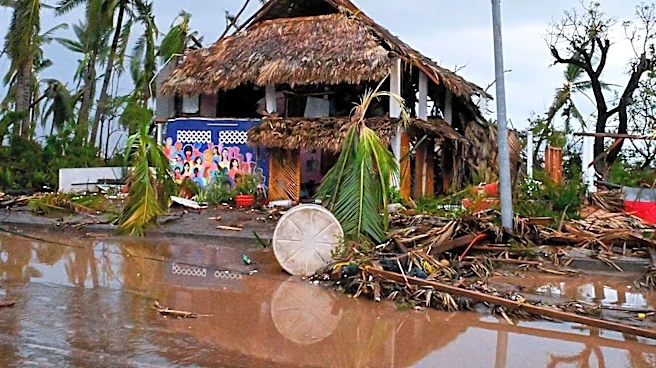
The impact of Super Typhoon Bavi is significant as it threatens the infrastructure and safety of residents in the U.S. Pacific territories. The storm's potential to cause widespread power outages and structural damage could exacerbate the challenges faced by these communities, which are still dealing with the aftermath of a previous typhoon. The economic implications are also considerable, as recovery efforts may require substantial resources and time. The situation underscores the vulnerability of these territories to extreme weather events, highlighting the need for robust disaster preparedness and response strategies.
What's Next?
As Super Typhoon Bavi continues its path, officials are monitoring its progress and advising residents to remain in safe locations. The storm's fast movement offers hope for a quick passage, but the size of the typhoon means that tropical storm conditions could persist through the night. Authorities are likely to focus on immediate relief efforts and assessing the damage once the storm passes. Long-term recovery plans will be essential to restore power and repair infrastructure, with potential federal assistance playing a crucial role in these efforts.
Beyond the Headlines
The frequent occurrence of severe weather events in the Pacific region raises questions about climate resilience and the adequacy of current infrastructure to withstand such challenges. The cultural and social dynamics of the affected communities, which are accustomed to typhoons, may influence their response and recovery strategies. Additionally, the economic impact on local industries, particularly tourism and agriculture, could have lasting effects on the region's development and stability.