




What's Happening?
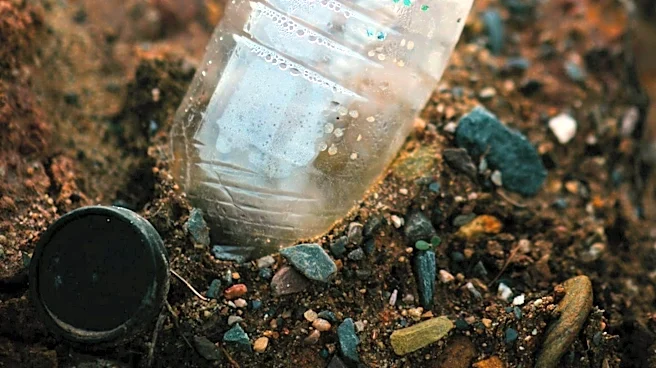
New Jersey has implemented the 'Skip the Stuff' law, which requires takeout customers to specifically request single-use plastic items such as utensils, straws, and condiment packets. This law, effective from August 1, aims to reduce plastic waste and the environmental
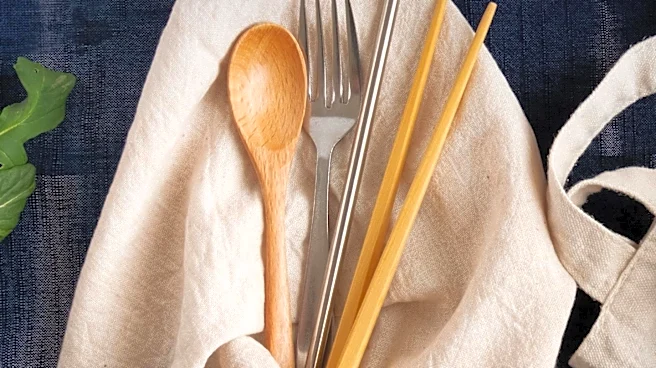
impact of food service providers. The legislation, signed by former Governor Phil Murphy, builds on previous efforts to limit plastic use, including bans on single-use plastic bags and polystyrene foam containers. The New Jersey Department of Environmental Protection (NJDEP) supports the initiative, emphasizing the importance of reducing waste by only using necessary items. The law applies to both takeout and dine-in restaurants with seating for at least ten customers, which must now provide washable utensils and reusable condiment containers. Online food ordering platforms like DoorDash and Instacart are also required to comply by not providing utensils unless requested by the customer.
Why It's Important?
The 'Skip the Stuff' law represents a significant step in New Jersey's ongoing efforts to combat plastic pollution. By reducing the automatic distribution of single-use plastics, the state aims to decrease the volume of waste entering landfills and the environment. This initiative could set a precedent for other states considering similar measures, potentially leading to broader national changes in consumer habits and waste management practices. The law also highlights the growing trend of environmental responsibility within the food service industry, encouraging businesses to adopt more sustainable practices. While some consumers have expressed frustration, viewing the law as an inconvenience, others see it as a necessary move towards environmental conservation.
What's Next?
Restaurants in New Jersey will need to adjust their operations to comply with the new law, potentially facing fines for non-compliance. The NJDEP will monitor adherence, issuing warnings for initial violations and imposing fines for repeated offenses. As the law takes effect, public response and compliance will likely influence future legislative actions regarding environmental policies. The exemption for K-12 schools, correctional facilities, and healthcare facilities indicates a phased approach, with food courts given until 2028 to comply. The success of this initiative could inspire similar policies in other states, contributing to a nationwide shift towards reducing single-use plastics.