




What's Happening?
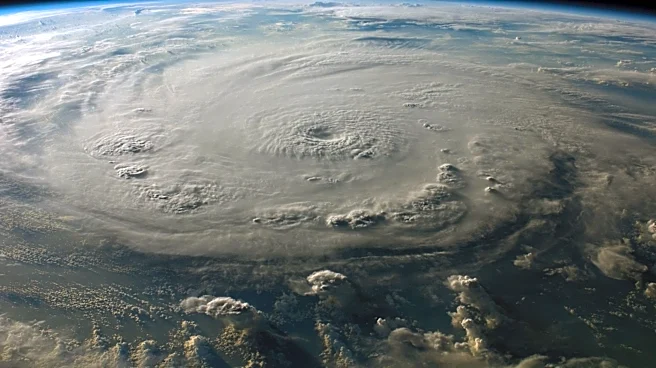
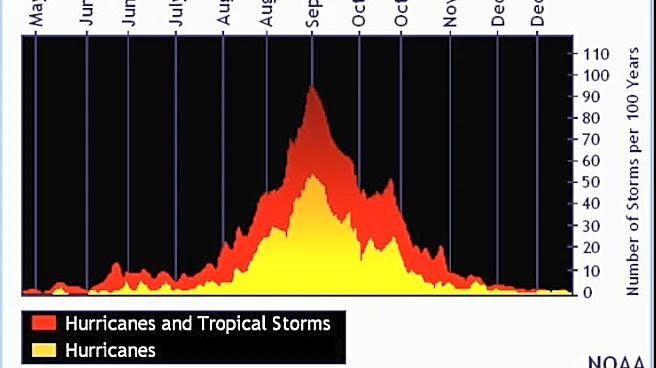
Colorado State University (CSU) has maintained its forecast for the Atlantic hurricane season, predicting a below-average number of major hurricanes due to the presence of a strong El Niño. The forecast anticipates 9 named storms and 4 hurricanes, including
1 major hurricane, which is a reduction from earlier predictions. El Niño, characterized by warmer than average water temperatures in the Pacific, typically results in fewer hurricanes in the Atlantic due to increased wind shear. This year's forecast aligns with NOAA's predictions and includes Tropical Storms Arthur and Bertha, which have already made landfall.
Why It's Important?
The forecast of a below-average hurricane season is significant for coastal communities in the United States, as it suggests a reduced risk of major hurricane impacts. However, experts caution that even a single storm can cause significant damage, emphasizing the need for preparedness. The presence of a strong El Niño also has broader implications for global weather patterns, potentially affecting precipitation and temperature trends across various regions. Understanding these patterns can aid in disaster preparedness and resource allocation for affected areas.
What's Next?
As the hurricane season progresses, monitoring the development of El Niño and its effects on weather patterns will be crucial. Coastal communities are advised to remain vigilant and prepared for potential storms, despite the forecast of a quieter season. Meteorologists and climate scientists will continue to study the impacts of El Niño on global weather, providing valuable insights for future forecasts and climate models.