




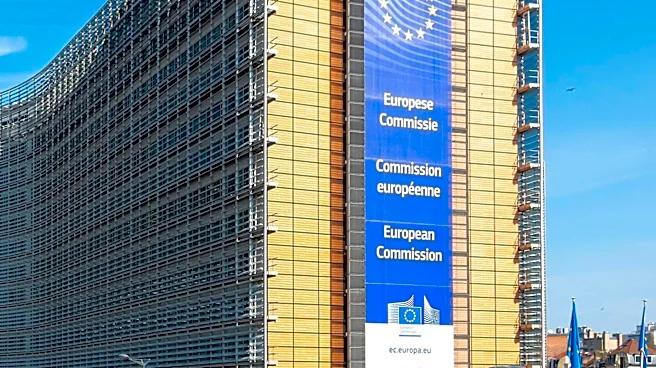

What's Happening?
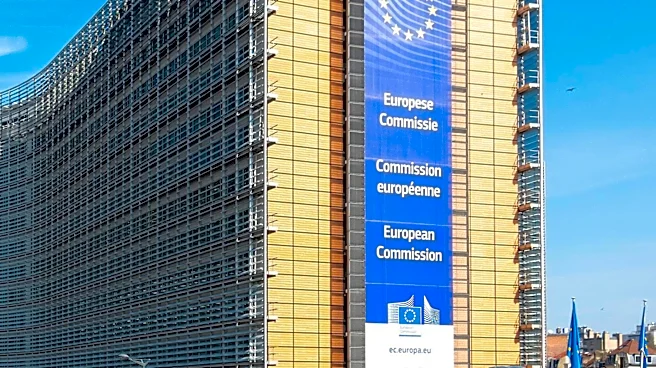
Brussels has intervened to freeze Austria's plan to ban social media access for children under 14, a measure intended to take effect in January. This decision is part of a broader effort by the European Union to establish a single, unified age limit for social media use
across all 27 member states, rather than allowing individual nations to implement disparate regulations. The EU's proposed 'EU KIDS Act' outlines a tiered system: no social media accounts for children under 13, 'mini accounts' with parental management and limited features for 13 and 14-year-olds, and independent accounts for those 15 and older. The Commission argues that a fragmented approach with varying national age limits would complicate compliance for platforms and ultimately hinder effective child protection. Austria's draft law, which set a minimum age of 14, was notified to Brussels and subsequently caught by a 12-month standstill period under the EU's notification procedure for technical rules (TRIS), preventing its adoption before late July 2027.
Why It's Important?
This development highlights a significant tension between national sovereignty and EU-level harmonization in digital policy. For the United States, this European approach could serve as a precedent or a point of comparison as it grapples with similar issues regarding child safety on social media. The EU's push for a unified standard reflects a growing global concern over the impact of social media on minors and the challenges of regulating a borderless digital environment. If successful, the EU KIDS Act could influence international norms and potentially pressure U.S. tech companies to adapt their services to meet stricter age verification and parental control requirements, even for their U.S. users, to maintain global consistency. The debate also underscores the economic implications for social media platforms, which face the logistical and financial burden of implementing age verification technologies and adapting their services to comply with diverse or unified regulatory frameworks.
What's Next?
Austria intends to proceed with its national legislative process, aiming to implement its ban as soon as the EU's 12-month deadline expires. Meanwhile, the European Commission will continue to push for the swift adoption of the EU KIDS Act by the European Parliament and the Council. During this interim period, Brussels has pledged strict enforcement of the Digital Services Act (DSA) to ensure child protection on online platforms. Other EU member states, such as Slovenia, Italy, and Belgium, which have also notified draft laws concerning social media age limits, will likely face similar freezes. The outcome of the EU KIDS Act and its implementation will determine the future landscape of social media access for minors across the European Union, potentially setting a global benchmark for digital child safety regulations.
Beyond the Headlines
The dispute between Brussels and Vienna over social media age limits touches upon fundamental questions of digital governance and the balance between national regulatory autonomy and the need for a cohesive single market. The EU's argument that a 'fragmented market' would lead to 'no level of protection' suggests a belief that a unified approach is not just about economic efficiency but also about the efficacy of child safeguarding measures. This situation could also prompt a re-evaluation of how international bodies can effectively regulate rapidly evolving digital technologies that transcend national borders. The emphasis on certified age verification tools, rather than simple date-of-birth boxes, signals a shift towards more robust and technologically advanced solutions for protecting minors online, which could have long-term implications for privacy and data security across the digital ecosystem.