





What's Happening?
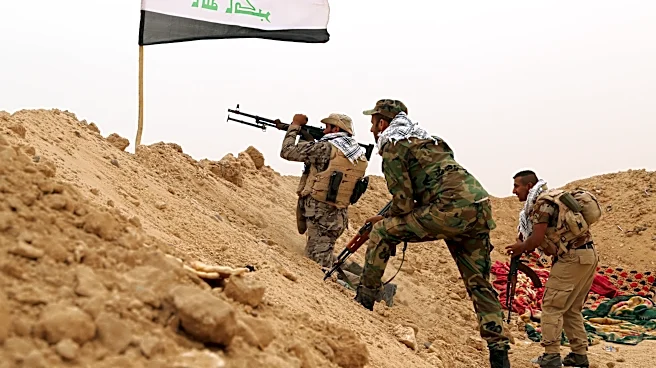
The Islamic State of Iraq and Syria (ISIS) has undergone a significant transformation since its territorial peak in 2014, evolving into a decentralized organization with autonomous provinces and a strong online propaganda presence. After losing its core
territories in Iraq and Syria by 2019 due to sustained military campaigns, ISIS has expanded its operations into various regions, including Africa, the Caucasus, South Asia, and Southeast Asia. This expansion is facilitated through local pledges of allegiance, recruitment of existing militants, and directed external operations. In South Asia, particularly Pakistan, the Islamic State Pakistan Province (ISPP) has emerged as a significant threat, carrying out numerous attacks, including suicide bombings and targeted killings. The ISPP, formed in May 2019, has conducted approximately 100 attacks, with over two-thirds occurring in Balochistan, and has also targeted urban centers like Islamabad. These attacks often focus on sectarian polarization and political violence, exploiting existing fault lines within the region.
Why It's Important?
The shift in ISIS's operational model from territorial control to a decentralized network poses a complex and persistent global security challenge. While the group may be smaller in terms of direct territorial holdings, its ability to inspire and direct attacks through affiliates like ISPP demonstrates its continued lethality and adaptability. This decentralized structure makes it harder for conventional military operations to fully eradicate the threat, as it relies on local networks and online propaganda to sustain its influence and recruitment. The focus on sectarian violence, particularly against Shia Hazaras in Pakistan, exacerbates existing social and political tensions, contributing to instability in already fragile regions. The group's continued ability to conduct high-impact attacks, even without direct territorial control, highlights the enduring nature of the extremist ideology and the need for multifaceted counter-terrorism strategies that address both military and ideological aspects.
What's Next?
In the immediate future, ISIS and its affiliates like ISPP are expected to continue their strategy of low-to-medium intensity operations, focusing on sectarian polarization and selective assassinations rather than attempting to regain sustained territorial control. This approach allows them to maintain relevance and sow discord with fewer resources. Counter-terrorism efforts will likely need to adapt further, emphasizing intelligence gathering, disruption of online propaganda, and international cooperation to counter the transnational networks that sustain these groups. Local governments, particularly in South Asia, will face ongoing challenges in protecting vulnerable communities and preventing the exploitation of sectarian divides. The continued evolution of ISIS's structure suggests that the threat will remain dynamic, requiring constant vigilance and adaptive responses from security forces and international partners.
Beyond the Headlines
The evolution of ISIS into a decentralized, networked organization reflects a broader trend in modern extremist movements, where ideological resilience and adaptability can compensate for the loss of physical territory. This shift raises profound questions about the effectiveness of traditional counter-terrorism approaches that primarily focus on military engagement. The reliance on online propaganda and encrypted communications highlights the growing importance of cyber warfare and information control in combating extremist narratives. Furthermore, the group's ability to exploit existing sectarian and political fault lines underscores the need for comprehensive strategies that address root causes of radicalization, including socio-economic grievances, political marginalization, and inter-communal tensions. The long-term implications point to a protracted struggle against an evolving ideological threat that transcends geographical boundaries and requires a holistic approach involving security, social, and political dimensions.