
What's Happening?
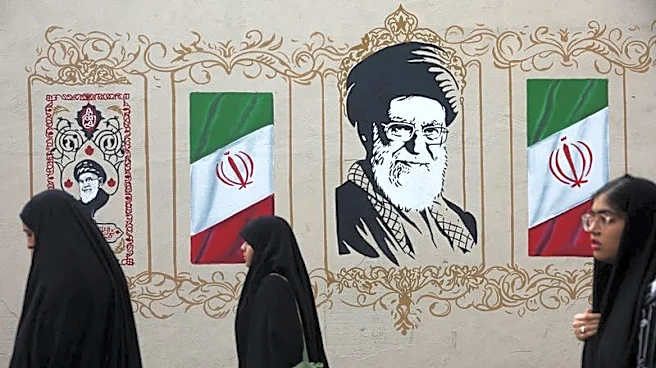
President Trump has issued a warning of significant economic consequences for any country that continues to support or trade with Iran. This threat comes as the U.S. seeks to isolate Iran, potentially
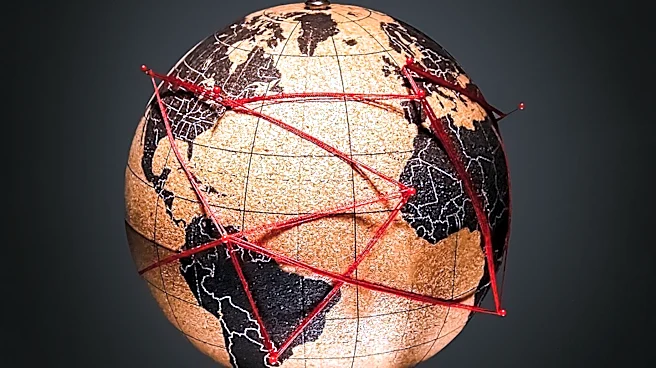
impacting several of Iran's key trading partners. Historically, trade between Iran and countries like Pakistan, India, China, the United Arab Emirates, Turkiye, Iraq, Oman, and Armenia has been substantial. For instance, Pakistan and Iran aimed to expand bilateral trade to $10 billion, while India's trade with Iran dropped significantly after previous U.S. sanctions. China, a major buyer of Iranian oil, has developed a system to process Iranian oil using Chinese currency to circumvent U.S. sanctions. The UAE, historically a critical economic lifeline for Iran, recently suspended financial and economic transactions with Iran, citing military escalation. Turkiye maintains significant economic ties, importing natural gas and exporting manufactured goods. Iraq's trade with Iran exceeded $10 billion in 2025, largely driven by Iranian exports of food and consumer goods, though trade declined in 2026 due to regional security risks. Oman and Armenia also maintain notable trade relationships with Iran.
Why It's Important?
President Trump's threat of economic punishment carries significant implications for global trade dynamics and U.S. foreign policy. Should the U.S. enforce these measures, countries with substantial trade ties to Iran could face difficult choices between maintaining those relationships and risking U.S. sanctions. This could lead to a re-evaluation of trade partnerships and potentially disrupt established supply chains, particularly in energy and consumer goods. For the U.S., this strategy aims to exert maximum pressure on Iran, but it also risks alienating allies and trading partners who may view such actions as overreaching. The move could also accelerate de-dollarization efforts in international trade, as countries seek alternative financial mechanisms to bypass U.S. sanctions, as seen with China's use of its own currency for Iranian oil transactions. The broader impact could be a more fragmented global economic system, with increased geopolitical tensions and economic uncertainty for nations caught between U.S. and Iranian interests.
What's Next?
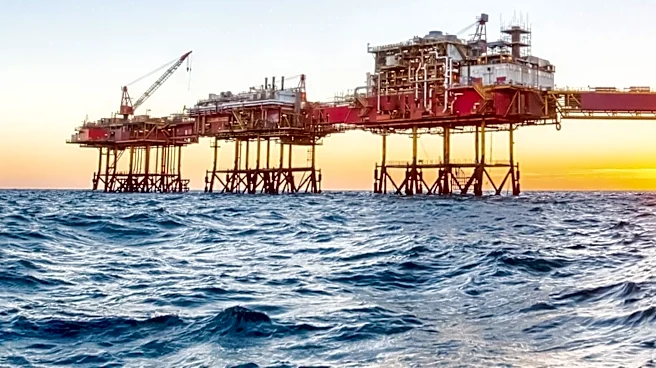
The immediate next steps will likely involve countries assessing their trade relationships with Iran and the potential exposure to U.S. sanctions. Some nations may seek to reduce their trade with Iran to avoid U.S. repercussions, while others, particularly those with strong strategic or economic dependencies on Iran, may explore ways to mitigate the impact of potential sanctions. The U.S. Treasury may impose further sanctions on entities found to be facilitating trade with Iran, similar to past actions against Chinese refineries. Diplomatic efforts will likely intensify, with the U.S. engaging with its allies to garner support for its Iran policy, while Iran and its trading partners may seek to strengthen alternative trade routes and financial mechanisms. The situation could also lead to increased volatility in global energy markets, given Iran's role as an oil and gas producer and the potential disruption to its exports.
Beyond the Headlines
Beyond the immediate economic and political ramifications, President Trump's stance on Iran highlights a broader shift towards a more assertive and unilateral U.S. foreign policy. This approach challenges the traditional multilateral framework of international relations and could set a precedent for how the U.S. addresses other geopolitical issues. The emphasis on economic warfare as a primary tool of foreign policy raises ethical questions about the impact of sanctions on civilian populations and the sovereignty of other nations. Furthermore, the long-term effect could be a recalibration of global power dynamics, as countries like China and Russia continue to deepen their financial and trade relationships, potentially creating an alternative economic bloc less susceptible to U.S. influence. This could lead to a more multipolar world order, where economic leverage is distributed among several major powers, rather than concentrated with one.