






What's Happening?
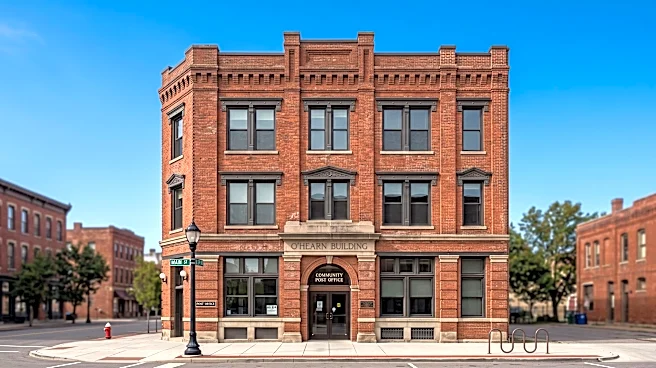
The U.S. Postal Service (USPS) has reversed its decision to close the post office in Akron, Alabama, renewing a five-year lease for the facility. The initial announcement earlier this month stated the post office would close at the end of the month due
to the non-renewal of its lease with the property owner. This decision sparked significant community opposition, including a petition and a two-page letter from Congresswoman Terri Sewell to the postal service. Residents expressed concerns about the inconvenience of having to travel approximately 15 miles to Moundville for postal services, which would have been the alternative. Following the outcry, the USPS reconsidered its plans. Akron town leaders confirmed that the postal service has promised to reopen the post office, with a mobile postal unit temporarily in place and plans for the brick-and-mortar building to reopen later this week. The community's collective action and outreach to officials are credited with the successful reversal.
Why It's Important?
The reversal of the Akron post office closure highlights the critical role local postal services play in small, rural communities and the power of community advocacy. For residents of Akron, the post office is not merely a place to send mail but a vital hub for essential services like obtaining stamps and money orders. Its closure would have imposed significant burdens, particularly on elderly residents or those without reliable transportation, forcing them to travel considerable distances for basic postal needs. This incident underscores a broader national issue where the USPS, facing financial pressures and declining mail volume, often considers consolidating or closing smaller, less profitable branches. However, such decisions can severely impact the social and economic fabric of these communities, affecting everything from access to prescriptions and bills to personal correspondence. The successful pushback in Akron demonstrates that community engagement and political intervention can influence USPS decisions, emphasizing the importance of local access to federal services.
What's Next?
The Akron post office is expected to fully reopen its brick-and-mortar building later this week, following the temporary setup of a mobile postal unit. The renewed lease is for a period of five years, providing a degree of stability for the community. This outcome may encourage other communities facing similar threats of post office closures to organize and advocate for their local services. The USPS will likely continue to evaluate its network for efficiency and cost-effectiveness, especially in rural areas, but this case serves as a precedent for the potential impact of community and political pressure. Local officials and residents will likely remain vigilant to ensure the terms of the renewed lease are upheld and that the post office continues to provide reliable service. The broader debate about the balance between USPS financial sustainability and its public service mandate will continue, with community-level actions like Akron's potentially shaping future policy decisions.
Beyond the Headlines
The Akron post office situation transcends a simple service closure; it touches upon themes of rural decline, access to essential services, and the democratic process. In many small towns, the post office is one of the last remaining federal institutions, serving as a symbol of connection to the wider nation. Its closure can be perceived as a further erosion of public infrastructure in areas already struggling with economic challenges and population loss. The community's emotional response and the involvement of Congresswoman Terri Sewell underscore that postal services are not just transactional but deeply embedded in the daily routines and social fabric of these communities. This event also highlights the tension between efficiency-driven corporate strategies and the social responsibility of public entities. While the USPS aims to modernize and streamline operations, the Akron case demonstrates that a purely business-centric approach can overlook the profound human impact on vulnerable populations. It reinforces the idea that public services, even when facing financial constraints, must consider their broader societal role and the unique needs of the communities they serve.