
What's Happening?
The Asia-Pacific region has shown a cautious response to recent developments in Venezuela, particularly the seizure of Venezuelan President Nicolás Maduro. China, a key ally of Venezuela, expressed shock
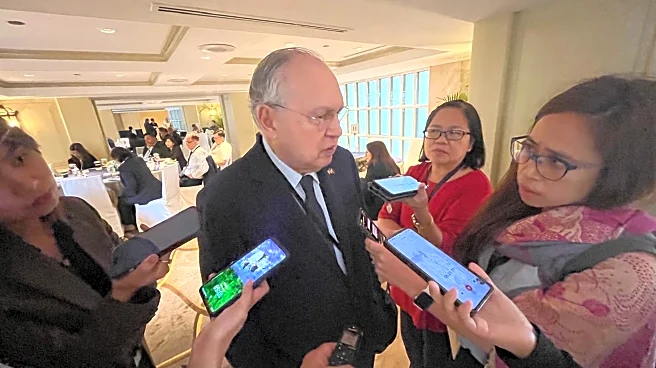
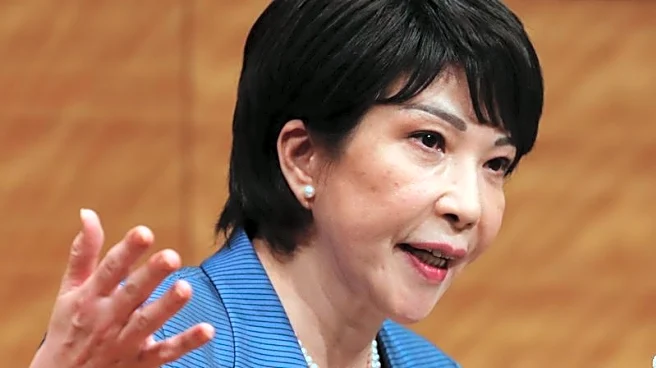
and condemnation, reflecting its close ties with Maduro, who was hosted by President Xi Jinping in 2023. China remains Venezuela's largest oil market, with the country accounting for about 4% of China's crude oil imports. Other Asian countries, such as Taiwan and Japan, have been more reserved in their responses, focusing on the safety of their citizens in Venezuela. Meanwhile, South Korean President Lee Jae Myung is on a state visit to China, accompanied by a large business delegation, marking the first such visit in nine years.
Why It's Important?
The varied reactions from Asian countries underscore the geopolitical complexities and economic interests at play in the region. China's strong response is indicative of its strategic investments and energy dependencies on Venezuela. The cautious stance of other countries highlights concerns over regional stability and the safety of expatriates. The developments in Venezuela could influence energy markets and diplomatic relations in Asia, particularly for countries with significant economic ties to both China and Venezuela. South Korea's state visit to China also suggests a potential shift in regional alliances and economic collaborations.