






What's Happening?
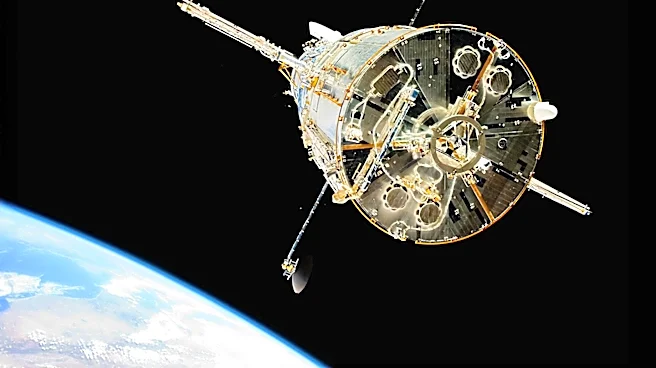
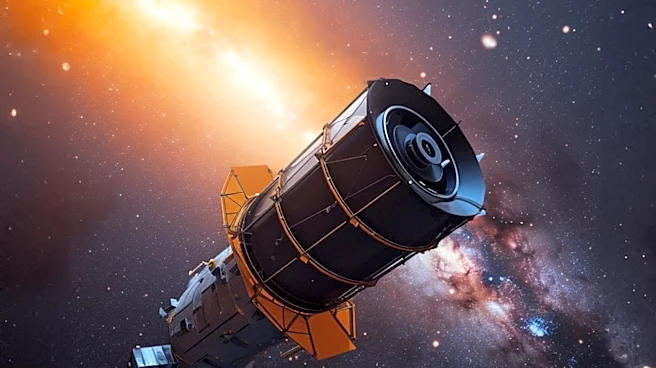
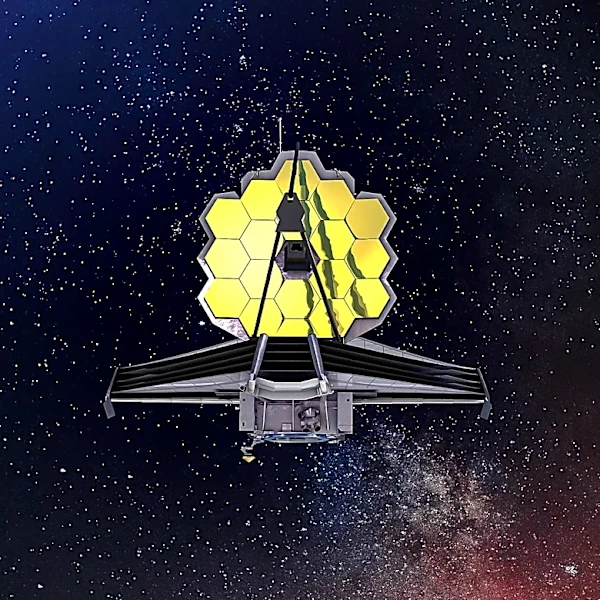
NASA has initiated a mission to rescue its Neil Gehrels Swift Observatory, which is at risk of falling back to Earth due to orbital decay. The Swift telescope, launched in 2004, has been gradually losing altitude, now orbiting at approximately 375 kilometers,
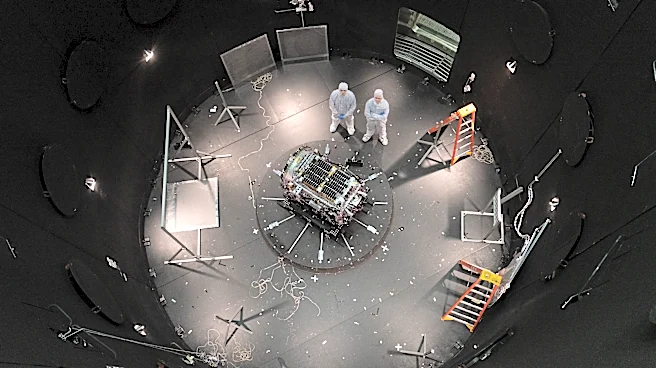
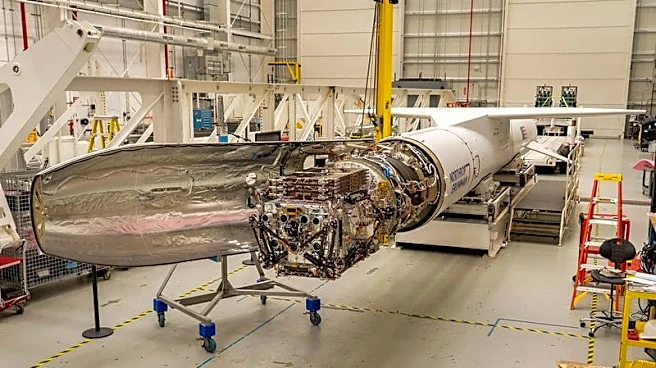
down from its original 600 kilometers. This decline is attributed to increased atmospheric drag caused by solar flares. To counter this, NASA has partnered with Katalyst Space Technologies, which has developed a satellite named LINK. This satellite, equipped with robotic arms and solar panels, was launched on July 3 atop a Northrop Grumman Pegasus XL rocket. LINK's mission is to elevate Swift back to its original orbit, potentially extending its operational life by up to a decade.
Why It's Important?
The mission to save the Swift Observatory is significant for several reasons. Firstly, it highlights the potential for extending the life of space telescopes, which are crucial for astronomical research. Swift has been instrumental in studying gamma-ray bursts and other cosmic phenomena, contributing to our understanding of the universe. Secondly, this mission exemplifies the growing trend of public-private partnerships in space exploration, with Katalyst Space Technologies playing a key role. Successfully boosting Swift's orbit could set a precedent for future satellite servicing missions, offering a cost-effective solution to prolong the life of other aging satellites, including the Hubble Space Telescope.
What's Next?
Following its launch, the LINK satellite will undergo several weeks of testing in space. If successful, it will gradually elevate the Swift Observatory over a two-month period. This maneuver aims to restore Swift to its original altitude, allowing it to continue its scientific observations. The success of this mission could pave the way for similar operations on other satellites, potentially revolutionizing satellite maintenance and extending the lifespan of critical space infrastructure.
Beyond the Headlines
This mission underscores the importance of innovation in satellite maintenance, particularly for telescopes not originally designed for servicing. The ability to extend the operational life of such instruments could have profound implications for space research, reducing the need for costly replacements and enabling continued scientific discovery. Additionally, this approach could be applied to other satellites facing similar challenges, offering a sustainable solution to the problem of orbital decay.