




What's Happening?
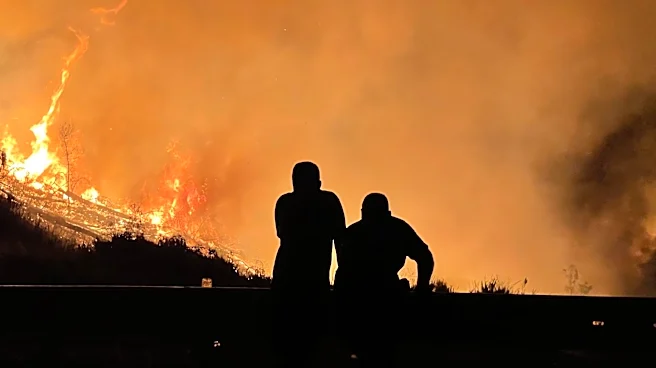
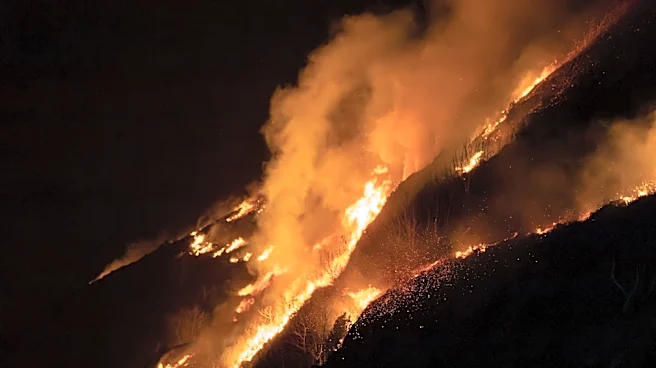
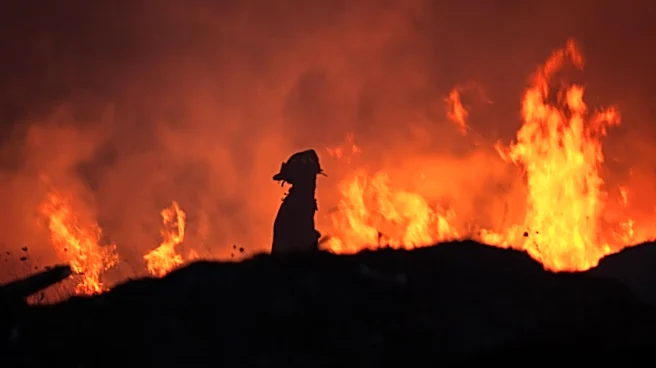
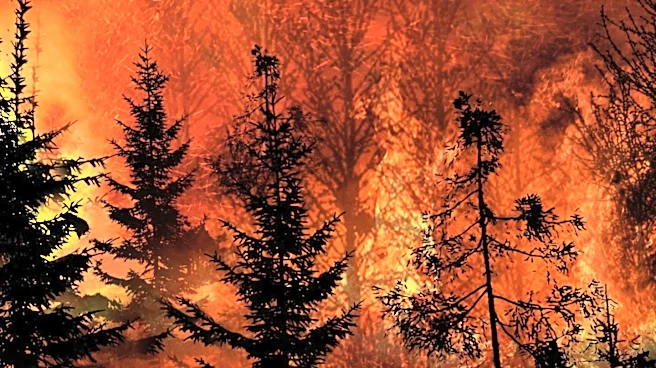
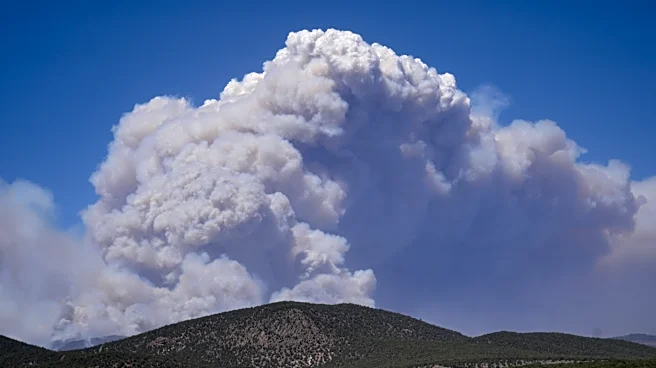
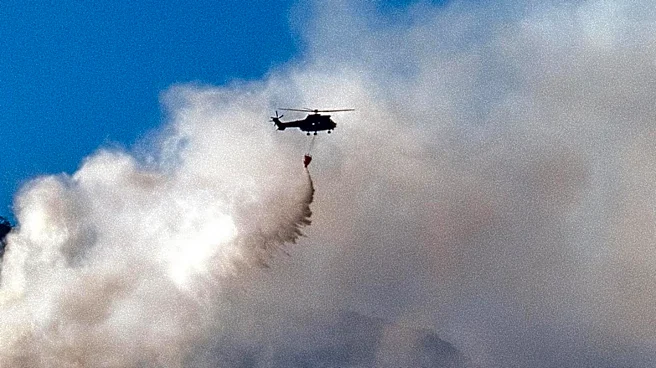
Utah has declared a state of emergency due to several major wildfires that have erupted across the state, fueled by high winds and scorching heat. The wildfires are part of a larger pattern affecting the western United States, where extreme weather conditions
have exacerbated fire risks. The declaration aims to mobilize resources and coordinate efforts to combat the fires, which have threatened communities and natural landscapes. The situation has prompted local authorities to issue evacuation orders in affected areas to ensure public safety.
Why It's Important?
The declaration of a state of emergency in Utah highlights the increasing frequency and intensity of wildfires in the western United States, a trend that poses significant challenges to public safety, environmental conservation, and economic stability. Wildfires can lead to loss of life, destruction of property, and long-term ecological damage. They also strain emergency services and can have substantial economic impacts, including costs related to firefighting efforts and recovery. The situation underscores the need for effective fire management strategies and climate adaptation measures to mitigate future risks.
What's Next?
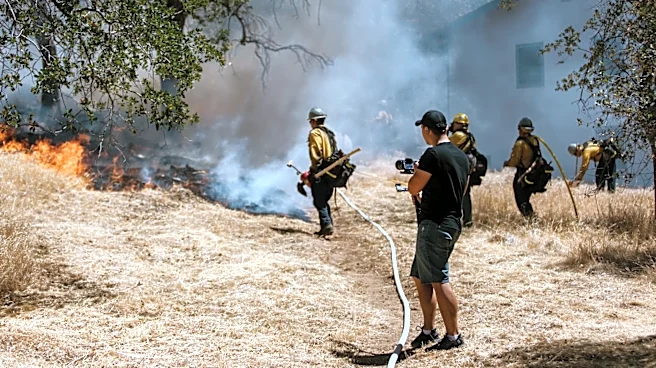
In response to the state of emergency, Utah is expected to deploy additional firefighting resources and coordinate with federal agencies to manage the wildfires. Evacuation efforts will continue in high-risk areas, and authorities will monitor weather conditions closely to anticipate further developments. The state may also seek federal assistance to support recovery and rebuilding efforts once the fires are contained. Long-term, there may be increased focus on fire prevention strategies and policies to address the underlying factors contributing to the heightened fire risk.