





What's Happening?
The 1951 UN Refugee Convention, marking its 75th anniversary, is under scrutiny as Western nations adopt more restrictive immigration policies. The convention, which outlines obligations to protect refugees, is being challenged by populist anti-immigration
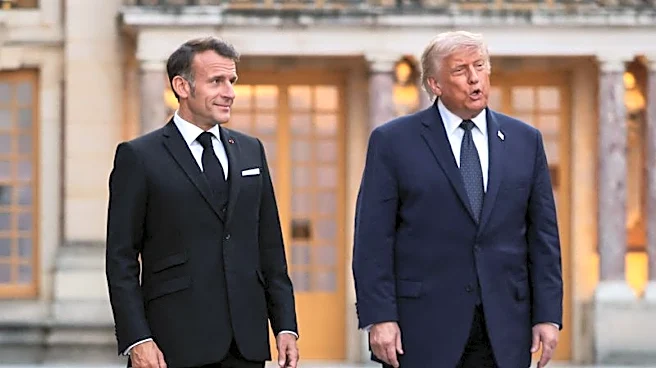
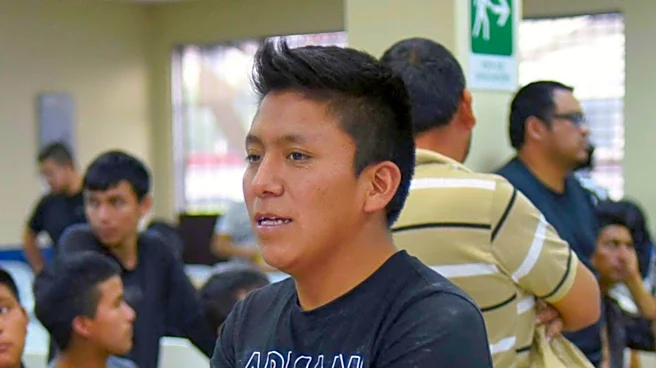
sentiments. Recent U.S. policies under President Trump, such as turning back asylum seekers and removing temporary protected status for certain nationalities, exemplify this trend. The convention's principle of non-refoulement is being tested as countries like Denmark and Australia implement policies that critics argue violate refugee rights.
Why It's Important?
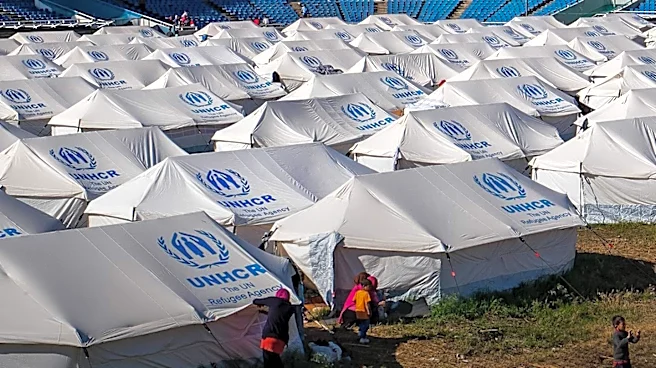
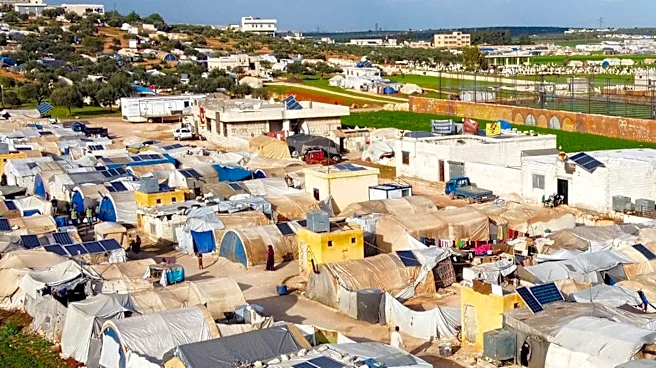
The challenges facing the UN Refugee Convention highlight a shift in global attitudes towards refugees and asylum seekers. As Western countries implement stricter immigration controls, the burden of hosting refugees increasingly falls on low and middle-income countries. This shift raises questions about international cooperation and the equitable distribution of responsibilities in refugee protection. The potential withdrawal of U.S. support from the UNHCR could further undermine global refugee protection efforts, affecting millions of displaced individuals worldwide.
What's Next?
The future of the UN Refugee Convention may involve updates to address current gaps and challenges. Discussions around a new protocol could provide a legal basis for more restrictive policies while enhancing protections for refugees. However, achieving international consensus on such changes may be difficult, especially as the Global South resists policies that externalize refugee responsibilities. The ongoing debate will likely continue to shape international refugee policies and the role of the UNHCR in global refugee protection.