


What's Happening?
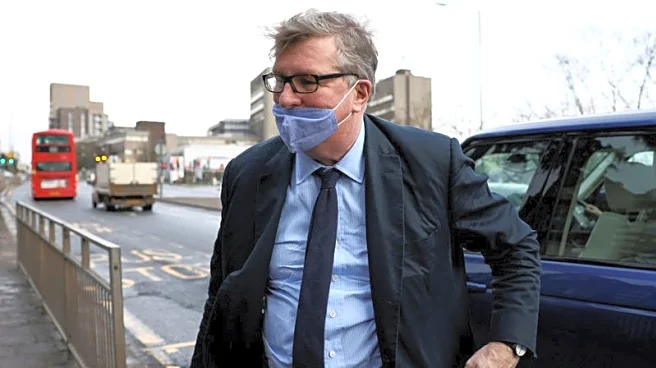
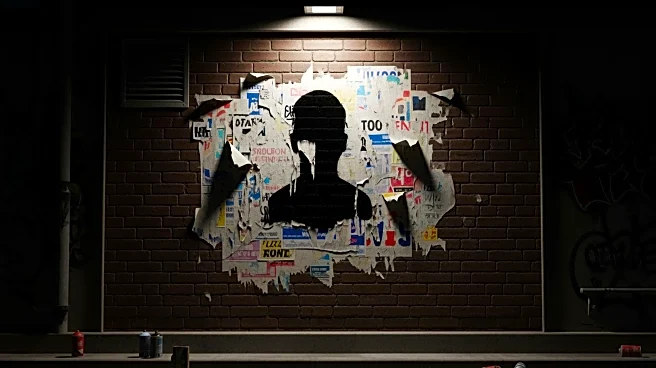
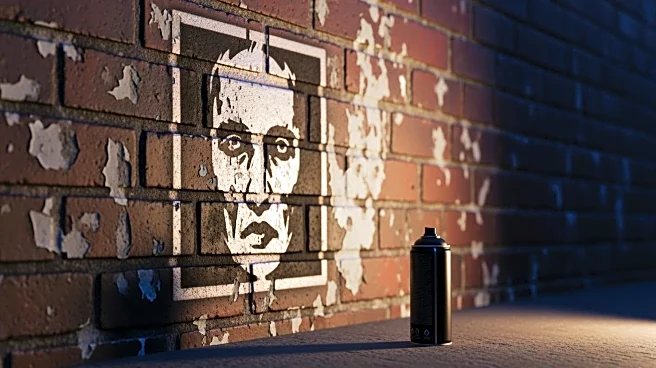
The identity of the elusive street artist Banksy has reportedly been revealed by Reuters, sparking a mix of reactions from fans and art dealers. Banksy, who has long been thought to be Robin Gunningham, is known for his anonymous public art that often
critiques social and political issues. The recent report suggests that Banksy may have changed his legal name to David Jones, a common name in Britain, to maintain his anonymity. This revelation has led to discussions about whether the value and impact of his art are tied to his anonymity. While some fans express disappointment, likening the unmasking to revealing a magic trick, art experts argue that the power of Banksy's work lies in its message rather than the mystery of his identity.
Why It's Important?
The potential unmasking of Banksy raises questions about the relationship between an artist's identity and the value of their work. Banksy's anonymity has been a significant part of his allure, allowing his art to stand independently of his personal identity. This development could impact how his work is perceived and valued in the art market. For art dealers and collectors, the focus remains on the cultural and political messages conveyed through his pieces, which have resonated globally. The situation also highlights the media's role in shaping public perception and the ethical considerations of revealing an artist's identity without their consent.
What's Next?
The art world and Banksy's fanbase are likely to watch closely for any response from the artist himself. Historically, Banksy has used his art to comment on current events, and this situation may prompt a creative response. Additionally, the media's decision to publish details about Banksy's identity could lead to further discussions about privacy and the responsibilities of journalists. Art collectors and dealers may also reassess the value of Banksy's work in light of this new information, considering whether the artist's identity affects the cultural significance of his pieces.
Beyond the Headlines
Beyond the immediate reactions, this event could influence how anonymity is perceived in the art world. Banksy's case underscores the tension between public interest and personal privacy, especially for artists whose work challenges societal norms. The situation also raises broader questions about the role of anonymity in art and whether it enhances or detracts from the message. As the art community grapples with these issues, the discourse may lead to a deeper understanding of the relationship between an artist's identity and their work's impact.