



What's Happening?
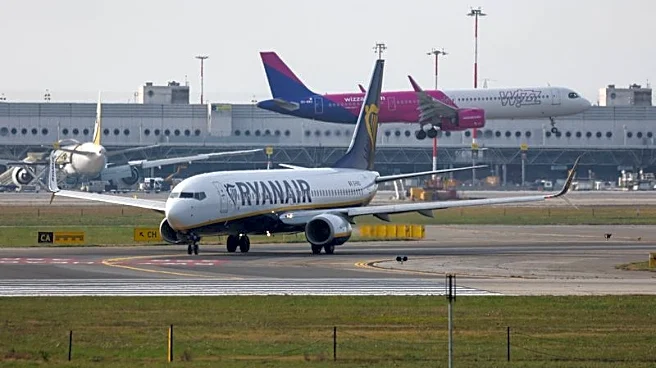
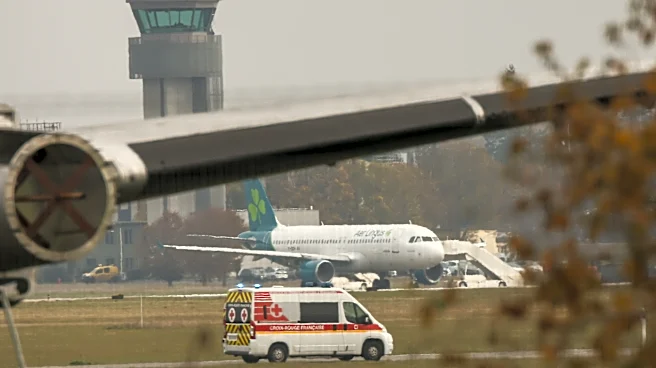
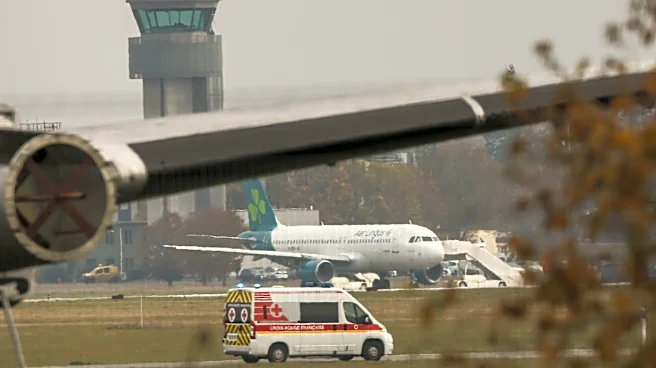
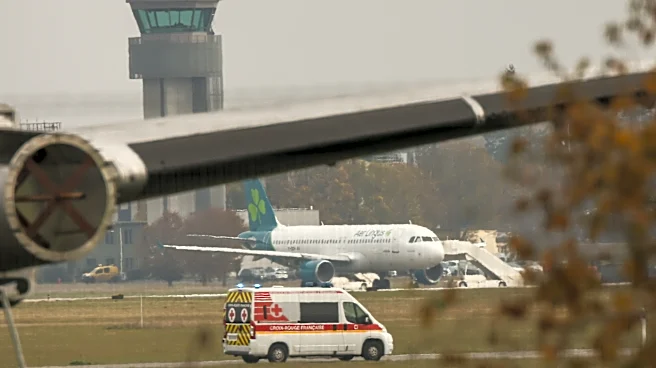
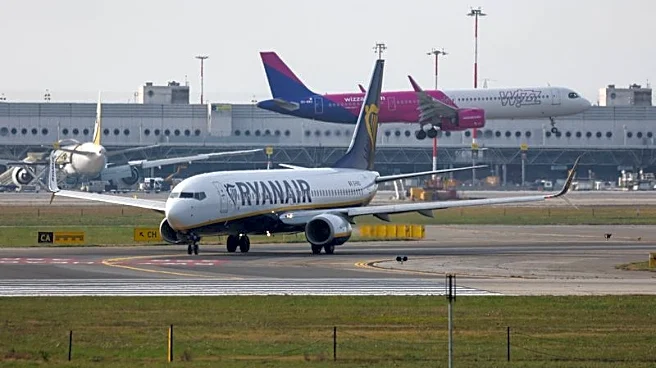
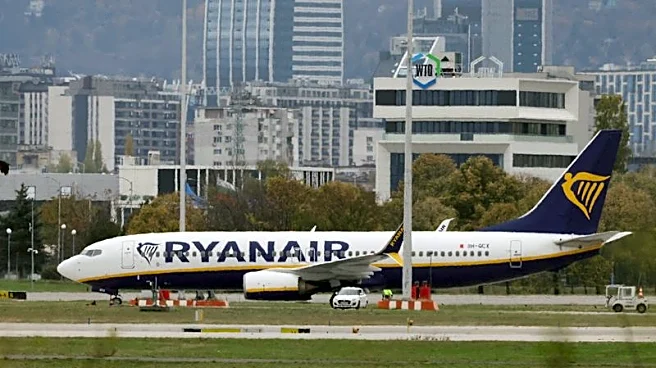
A series of hoax bomb threats targeting passenger flights across Europe reached Lisbon on Friday, November 6. The Portuguese police force responsible for airport security, PSP (Polícia de Segurança Pública), searched a Ryanair aircraft at Humberto Delgado
airport after a bomb threat and found no explosives, declaring the threat false. Later the same evening, Observador reported that two TAP Air Portugal flights, one bound for Paris Orly and another for Copenhagen, also received mid-air threats. These warnings were reportedly passed to the PSP directly from the FBI. In all cases in Portugal, the threats were determined to be hoaxes, with no explosive devices found. The PSP activated airport security protocols and informed French and Danish authorities regarding the TAP flights, which continued to their destinations after the risks were ruled out. The PSP's public statement only mentioned 'international police cooperation' rather than specifically naming the FBI.
Why It's Important?
This incident highlights the ongoing vulnerability of air travel to disruptive hoax threats, even when no actual danger is present. The involvement of the FBI in relaying intelligence to Portuguese authorities underscores the international nature of such security concerns and the necessity of cross-border cooperation among law enforcement agencies. While these threats have been hoaxes, they cause significant operational disruptions, leading to flight delays, increased security screenings, and heightened anxiety among passengers and airline staff. The pattern of these threats across Europe suggests a coordinated effort to cause chaos, testing the response capabilities of various national security systems. The economic impact includes costs associated with increased security measures, delayed flights, and potential reputational damage for airlines and airports involved.
What's Next?
Portuguese authorities, specifically the PSP, are investigating the origin of these threats. The European Commission has activated an information-sharing mechanism among member states to address the Europe-wide pattern of hoax bomb threats, indicating a coordinated effort to understand and mitigate future occurrences. While the investigation into the source of these specific threats continues, airlines and airports are likely to maintain heightened vigilance and security protocols. Passengers can expect continued potential for delays due to enhanced security checks. The focus will be on identifying the perpetrators behind these hoaxes to prevent future disruptions and ensure the safety and efficiency of air travel.
Beyond the Headlines
The wave of hoax bomb threats points to a broader challenge in modern security: distinguishing credible threats from malicious hoaxes in an era of rapid information dissemination. The psychological impact on the traveling public, even from false alarms, can be significant, potentially eroding trust in air travel security. This situation also raises questions about the motivations behind such widespread hoaxes, which could range from cyber-terrorism tactics aimed at causing economic disruption and fear, to more localized acts of mischief. The reliance on international intelligence sharing, as demonstrated by the FBI's involvement, is crucial but also highlights the complex web of global security dependencies. The incident underscores the need for continuous adaptation of security protocols and intelligence analysis to counter evolving threats, whether real or fabricated.