




What's Happening?
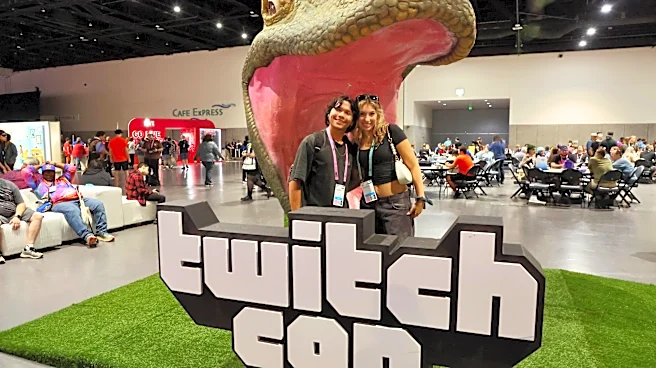
OpenAI faced significant criticism at TwitchCon 2026, held in San Diego from November 13 to 15, due to concerns surrounding artificial intelligence, content ownership, and the future of human creativity. The company was present to promote Codex, its AI-powered
coding tool, through a hackathon offering $25,000 in prizes for applications designed for Twitch streamers. This initiative, however, was met with backlash from attendees who questioned the increasing influence of generative AI on creative industries. The controversy was amplified by existing frustrations over Twitch's policy, announced in August 2026, which allows its parent company, Amazon, to use streamers' content for AI training by default, requiring creators to manually opt out. This policy covers various forms of content, including livestreams, recorded videos, clips, and chat messages. While some streamers acknowledged the potential benefits of AI tools for simplifying livestream production, many expressed concerns about AI-generated content potentially replacing human creativity.
Why It's Important?
The situation at TwitchCon 2026 highlights a growing tension within the creator economy regarding intellectual property rights and the use of user-generated content for AI training. Twitch's default opt-in policy for AI training has sparked a debate about consent and compensation for creators, raising questions about whether platforms should require explicit permission rather than placing the onus on users to opt out. This issue has broader implications for U.S. industries reliant on user-generated content, as it sets a precedent for how platforms might leverage creator data for technological advancements. The ongoing class-action lawsuit against Twitch and Amazon further underscores the legal and ethical challenges associated with AI development and content ownership, potentially influencing future regulations and industry standards for data usage and creator rights in the digital space. The outcome could impact how content creators engage with platforms and how AI companies source data for their models.
What's Next?
The ongoing class-action lawsuit against Twitch and Amazon, alleging unauthorized use of streamer content for AI training, will likely continue to unfold, potentially setting legal precedents for content ownership in the age of AI. The outcome of this legal challenge could influence how platforms like Twitch structure their terms of service regarding AI training data and may prompt calls for clearer regulations on data usage and creator consent. Streamers and creator advocacy groups are expected to continue pushing for more transparent and opt-in consent mechanisms for AI training. Twitch and Amazon may face pressure to revise their AI training policies to address creator concerns, potentially leading to changes in how content is collected and utilized. The debate over AI's role in creative industries is also likely to intensify, with ongoing discussions about the balance between technological innovation and the protection of human creativity and livelihoods.
Beyond the Headlines
The controversy at TwitchCon 2026 delves into fundamental ethical and legal questions surrounding intellectual property in the era of generative AI. The default opt-in policy implemented by Twitch raises concerns about informed consent and the potential for platforms to exploit user-generated content without adequate compensation or explicit permission. This situation could trigger a broader re-evaluation of digital rights and ownership, particularly as AI technologies become more sophisticated and capable of generating content that mimics human creativity. The debate also touches upon the economic implications for content creators, who fear that AI could devalue their work or even replace them. This could lead to long-term shifts in how creative labor is valued and protected in the digital economy, potentially necessitating new legal frameworks or industry standards to ensure fair practices and equitable distribution of value derived from AI-trained models.