






What's Happening?
The United Nations has released new climate projections indicating that the Earth is likely to surpass the international climate threshold set as safe, with the potential to break the hottest-year record within the next five years. The World Meteorological
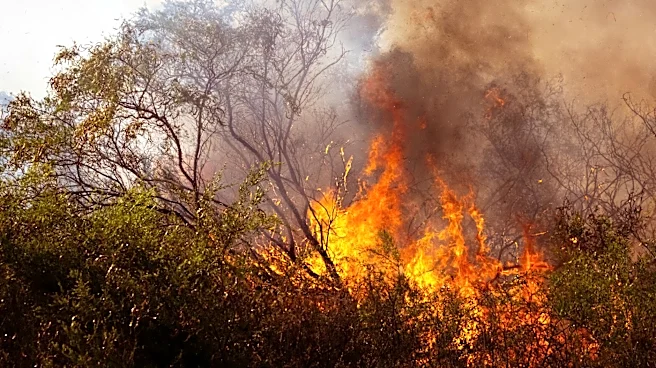
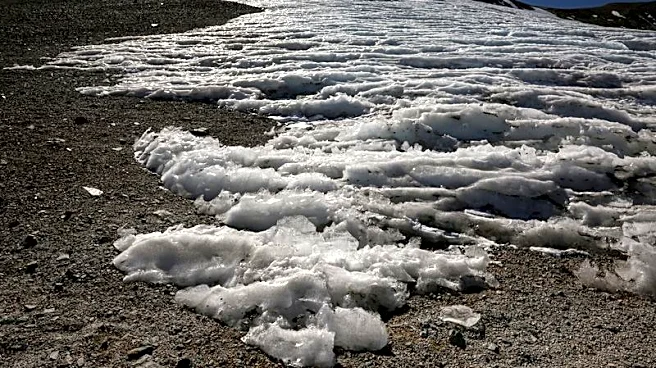
Organization (WMO) forecasts significant warming in the Arctic, with temperatures expected to rise nearly 3 degrees Fahrenheit by 2030. This warming is anticipated to lead to extreme weather events, including floods, droughts, and heatwaves. The projections suggest a 75% chance that the average global temperature between 2026 and 2030 will exceed 1.5 degrees Celsius above pre-industrial levels, a critical threshold established by the Paris climate agreement. The report highlights the potential for increased wildfires in the Amazon and other regions, exacerbating the impacts of climate change.
Why It's Important?
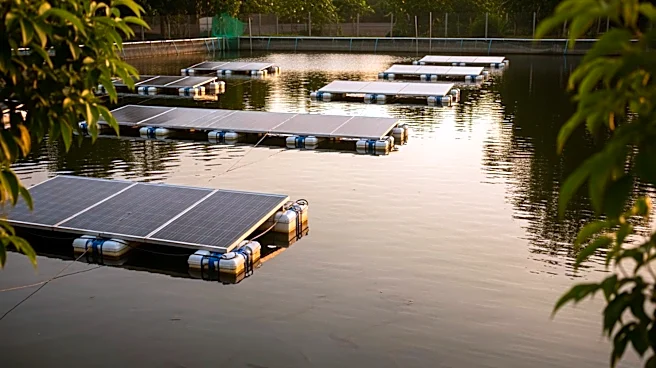
The implications of these projections are significant for global and U.S. stakeholders. Exceeding the 1.5-degree Celsius threshold could lead to severe weather events that surpass current planning and infrastructure capabilities, resulting in loss of life, economic disruptions, and increased food prices. The U.S., like other nations, faces the challenge of adapting to these changes while mitigating further climate impacts. The report underscores the urgency of transitioning to clean energy sources to curb global warming. Failure to address these issues could result in heightened economic and social costs, as well as increased pressure on natural resources and ecosystems.
What's Next?
The report suggests that the next five years will be critical in determining the trajectory of global warming. Nations, including the U.S., may need to accelerate their efforts to reduce greenhouse gas emissions and invest in climate resilience strategies. The potential for a strong El Niño event could further exacerbate global temperatures, making it imperative for governments to prepare for more frequent and intense climate-related disasters. Policymakers and industry leaders will need to collaborate on innovative solutions to address these challenges and protect vulnerable communities.