




What's Happening?
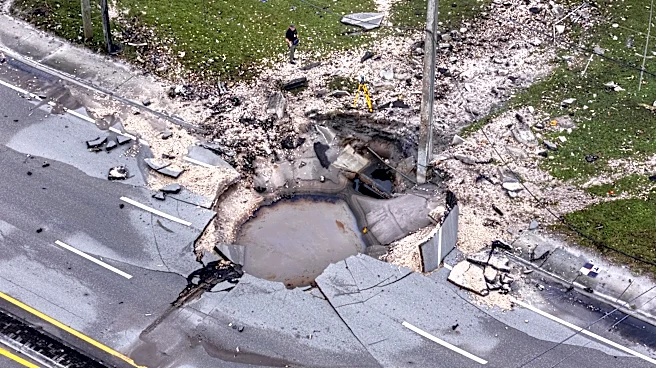
Florida Governor Ron DeSantis has expanded the state's flooding state of emergency to include seven additional counties: Glades, Hendry, Lake, Okeechobee, Palm Beach, Seminole, and Volusia. This expansion follows an initial declaration for several other
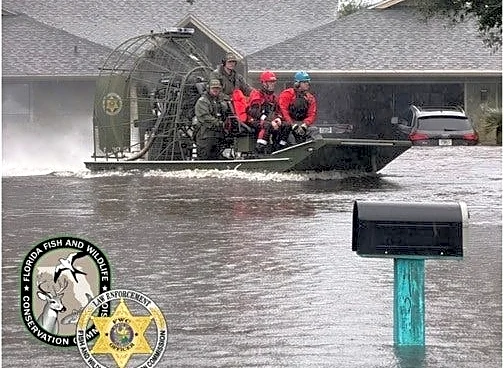
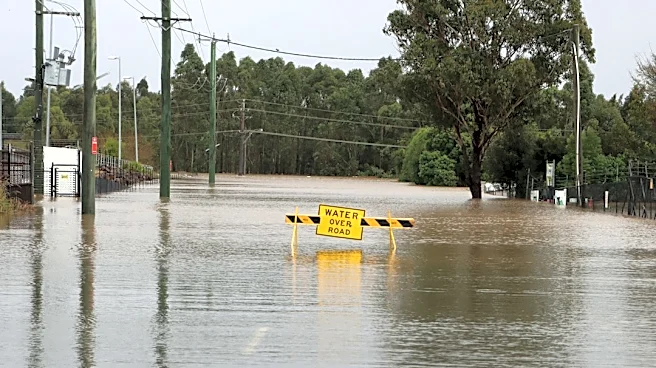
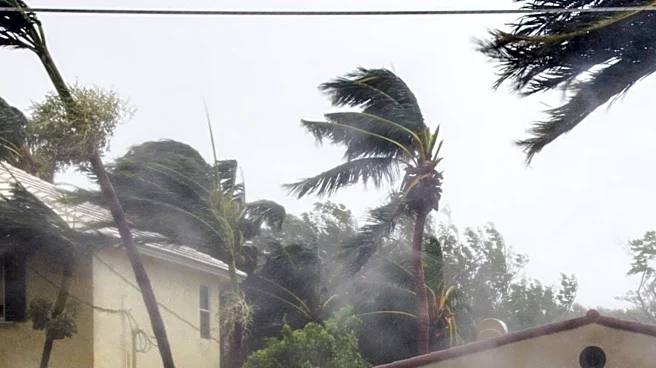
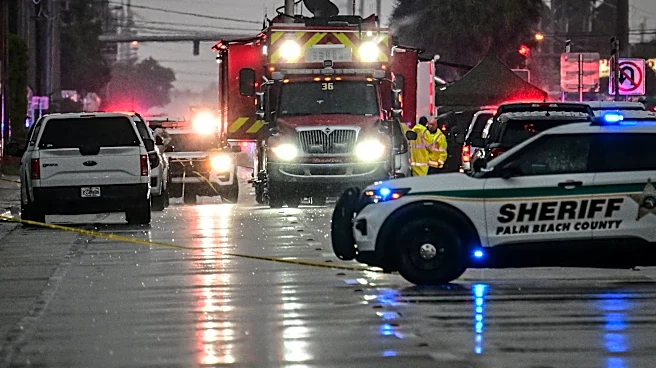
Florida counties due to heavy rainfall that has caused widespread flooding, making roads impassable, displacing residents, and disrupting schools and other services. The amended executive order, announced on Wednesday, aims to strengthen Florida's capacity to deploy emergency resources, support local response efforts, and assist affected communities in their recovery. This move allows the state to coordinate emergency assistance and mobilize necessary resources as local officials continue to address the ongoing flooding crisis.
Why It's Important?
The expansion of the state of emergency by Governor DeSantis is crucial for providing comprehensive support to a wider range of communities grappling with severe flooding. By including more counties, the state can allocate resources more effectively, ensuring that areas like Palm Beach and Okeechobee receive the necessary aid for recovery and response. This action highlights the significant impact of extreme weather on Florida's infrastructure and residents, emphasizing the need for coordinated governmental efforts. The declaration facilitates the deployment of emergency personnel, equipment, and financial assistance, which are vital for mitigating the immediate dangers and beginning the long process of recovery for affected areas. The economic disruption from impassable roads and school closures also underscores the broader societal implications.
What's Next?
With the expanded state of emergency, Florida state officials will continue to coordinate with local authorities to manage the ongoing flooding and its aftermath. The declaration enables the state to provide sustained support for emergency operations and recovery efforts in the newly added counties. Residents in these areas can expect continued assistance and resources aimed at addressing the immediate challenges posed by floodwaters. The focus will remain on ensuring public safety, restoring essential services, and assessing the full extent of the damage to infrastructure and private property. The duration of these efforts will depend on weather conditions and the scale of the recovery needed across the affected regions.
Beyond the Headlines
The recurring and widespread flooding in Florida, necessitating repeated state of emergency declarations, points to a larger pattern of environmental challenges facing the state. This situation prompts a deeper examination of Florida's vulnerability to climate-related events and the long-term strategies required for resilience. It raises questions about urban development in flood-prone areas, the effectiveness of current drainage systems, and the need for sustainable infrastructure investments. The continuous need for emergency declarations also impacts state budgets and resource allocation, potentially diverting funds from other critical areas. This ongoing challenge underscores the importance of proactive measures and adaptive policies to protect Florida's communities from future environmental impacts.