



What's Happening?
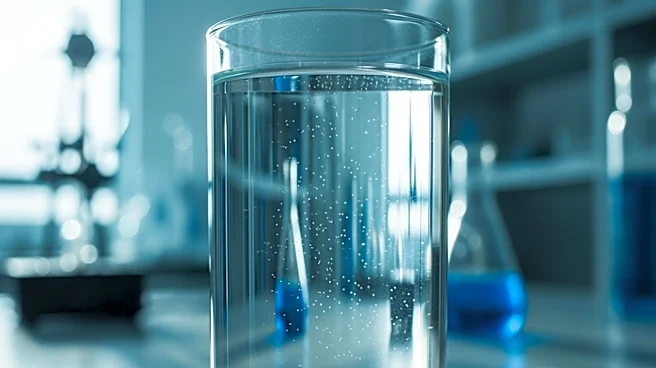
The U.S. Environmental Protection Agency (EPA) and the Department of Health and Human Services (HHS) have announced new initiatives to tackle the issue of microplastics in drinking water. The EPA has added microplastics and pharmaceuticals to its list
of concerning chemicals, marking the first time these substances have been prioritized for potential regulation. Concurrently, HHS has launched a $144 million program named STOMP, aimed at systematically targeting microplastics to understand their presence in the human body, assess their harm, and develop removal strategies. This initiative is part of a broader effort to address environmental and public health concerns related to plastic pollution.
Why It's Important?
The inclusion of microplastics on the EPA's list is a significant step towards addressing the growing concern over plastic pollution and its impact on human health. Microplastics have been detected in various human organs and are suspected of contributing to health issues such as cancer and fertility problems. The federal government's actions reflect an increasing recognition of the need to regulate these contaminants to protect public health. This move could lead to stricter water quality standards and influence industries related to plastic production and waste management, potentially driving innovation in water treatment technologies.
What's Next?
The draft list will undergo a public comment period, during which stakeholders can provide input. The EPA will then decide on potential regulations to limit microplastics in drinking water. This process could take several years, as further research is needed to establish safe exposure levels. The outcome could lead to new regulatory requirements for water utilities, impacting how water is treated and monitored. Additionally, the STOMP program will focus on developing scientific tools to better understand and mitigate the effects of microplastics, potentially influencing future policy decisions.