


What's Happening?
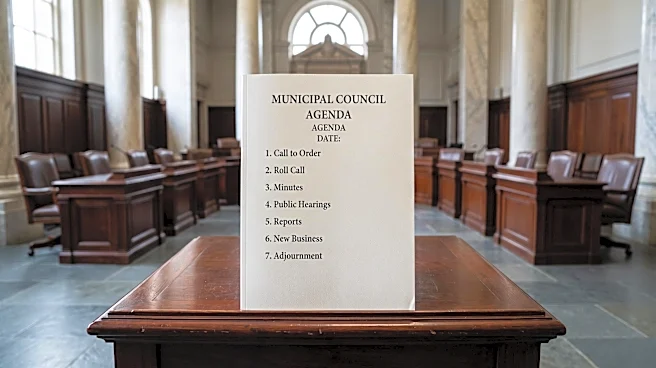
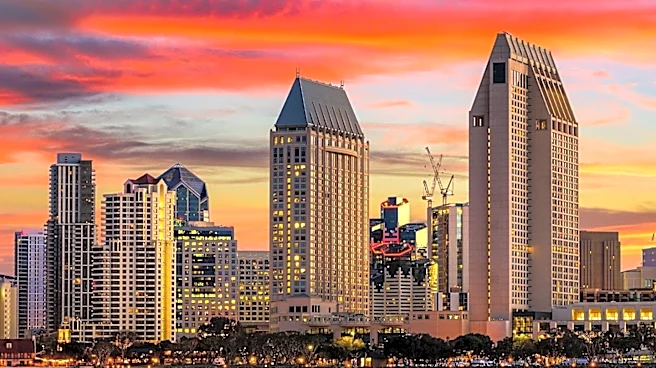
The San Diego City Council is scheduled to convene on November 17, 2026, to address several key municipal issues. Among the significant items on the agenda, councilmembers will consider accepting modifications proposed by the California Coastal Commission
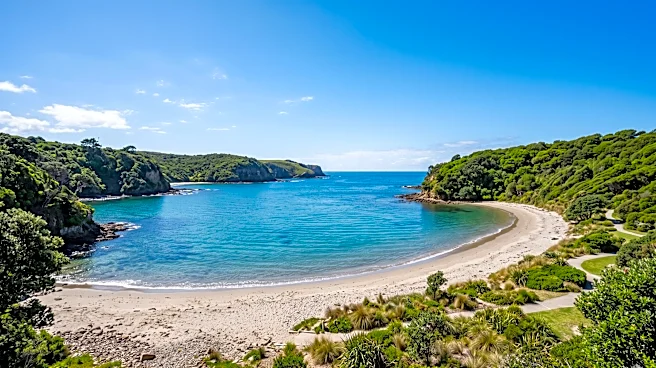
to the De Anza Natural Amendment to the Mission Bay Park Master Plan. This amendment aims to establish a comprehensive policy framework for land use in De Anza Cove and its surrounding parkland for the next two to three decades, balancing environmental restoration with public recreation. Additionally, the Council will vote on the creation of an Underground Utility District for Bay Ho 03 (BAHO-03) for Fiscal Year 2027, which would authorize the undergrounding of all overhead utilities within that newly designated district. Other agenda items include proclamations for Transgender Day of Remembrance and Barry Pollard Day, as well as various appointments to city commissions and legal settlements. The City Treasurer will also present the annual Investment Policy and request delegation of authority to invest city funds.
Why It's Important?
The decisions made by the San Diego City Council on these matters carry significant implications for the city's environment, infrastructure, and financial management. The De Anza Natural Plan amendment, with the Coastal Commission's modifications, is crucial for the long-term ecological health and recreational use of Mission Bay Park. It represents a delicate balance between conservation efforts and public access, potentially shaping the future landscape of a major urban park. The creation of the Bay Ho 03 Underground Utility District is a critical infrastructure upgrade that can enhance neighborhood aesthetics, improve utility reliability, and reduce vulnerability to weather-related outages. This initiative reflects ongoing efforts to modernize the city's infrastructure. Furthermore, the annual review of the City Treasurer's Investment Policy ensures fiscal prudence and transparency in managing public funds, directly impacting the city's financial stability and its ability to fund essential services. These decisions collectively influence the quality of life for San Diego residents and the city's sustainable development.
What's Next?
Following the City Council meeting, if the modifications to the De Anza Natural Plan are accepted, the updated framework will guide future development and conservation efforts in De Anza Cove. This could lead to specific projects for environmental restoration and recreational facility enhancements. If the Underground Utility District for Bay Ho 03 is approved, the city will proceed with the planning and implementation phases for moving overhead utilities underground, which will involve coordination with utility companies and local residents. The City Treasurer's Investment Policy, once approved, will dictate the investment strategies for city funds for the upcoming fiscal year. Residents and stakeholders will likely monitor the implementation of these decisions, particularly those related to environmental protection and infrastructure improvements. Future public engagement opportunities may arise as specific projects under these plans move forward, allowing for continued community input on the city's development.
Beyond the Headlines
The City Council's consideration of the De Anza Natural Plan highlights the ongoing tension and negotiation between urban development, environmental preservation, and public access in coastal cities. The involvement of the California Coastal Commission underscores the state's commitment to protecting its coastline, often leading to complex regulatory processes that balance local development goals with broader environmental mandates. This case reflects a common challenge for many U.S. coastal communities striving for sustainable growth while preserving natural resources. The move to underground utilities in Bay Ho also points to a larger trend in urban planning aimed at improving resilience against climate change impacts and enhancing urban aesthetics. Such projects, while beneficial, often involve significant costs and logistical challenges, raising questions about funding mechanisms and equitable distribution of infrastructure improvements across different neighborhoods. These decisions are not just about immediate changes but represent long-term commitments to shaping San Diego's urban and natural environment for future generations.