








What's Happening?
A new study conducted by researchers at the University of Copenhagen has found that vegans, on average, exhibit lower gut bacterial diversity compared to omnivores. The study investigated the gut microbiome of 75 vegans and 75 omnivorous Danes. Contrary
to initial expectations that vegans would have greater bacterial diversity due to their plant-based diets rich in fiber, the findings indicated a notable weakness in this area for the vegan group. Professor Oluf Borbye Pedersen noted that while vegans consume large amounts of dietary fiber and other health-promoting plant compounds, their gut bacterial diversity was unexpectedly lower. The research suggests a potential link between this reduced diversity and lower protein intake among vegans, who derived 12% of their dietary energy from protein compared to 17% in omnivores. However, vegans with higher protein consumption showed biodiversity levels comparable to omnivores.
Why It's Important?
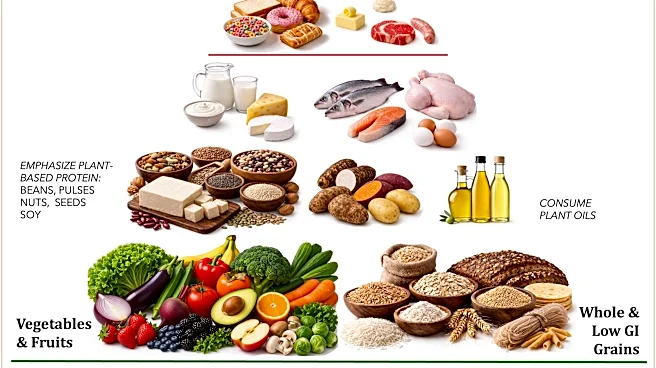
This study challenges conventional assumptions about vegan diets and gut health, highlighting protein as a potentially overlooked factor in maintaining a diverse gut microbiome. A diverse gut microbiome is considered crucial for overall health, influencing digestion, metabolism, immune function, and brain health. The findings suggest that while vegan diets offer numerous health benefits, such as lower blood glucose and cholesterol levels and fewer inflammatory markers, attention to protein intake is vital for optimizing gut bacterial diversity. For individuals adhering to or considering a vegan diet in the U.S., this research underscores the importance of ensuring adequate protein consumption from plant-based sources. This could influence dietary recommendations and nutritional guidance for the growing vegan population, emphasizing a balanced approach to plant-based eating that includes sufficient protein to support a robust gut ecosystem.
What's Next?
The researchers emphasize that this study is relatively small and observational, meaning it identifies associations rather than direct causation. Future research will likely focus on larger-scale interventional studies to establish whether specific dietary habits, particularly protein intake, directly cause changes in gut biodiversity. While no immediate dietary recommendations can be made based solely on this study, it prompts further investigation into the optimal protein levels for vegans to maintain gut health. Nutritionists and healthcare providers may begin to incorporate these findings into discussions with vegan clients, stressing the importance of diverse protein sources. The study also opens avenues for exploring specific types of plant-based proteins and their impact on gut microbial diversity, potentially leading to more tailored dietary advice for vegans aiming to maximize their gut health.
Beyond the Headlines
The study's implications extend beyond simple dietary advice, touching upon the complex interplay between diet, microbiome, and overall health. It highlights that even diets perceived as inherently healthy, like veganism, require careful consideration of all macronutrients to achieve optimal outcomes. This research could spark a broader conversation about the nuances of plant-based nutrition, moving beyond a sole focus on fiber to include protein's role in gut ecology. Ethically, it reinforces the need for evidence-based dietary guidance that avoids generalizations and considers the intricate biological responses to different dietary components. Culturally, as veganism gains traction in the U.S., these findings contribute to a more sophisticated understanding of its health impacts, encouraging a more informed and balanced approach to plant-based lifestyles rather than a one-size-fits-all perspective.