







What's Happening?
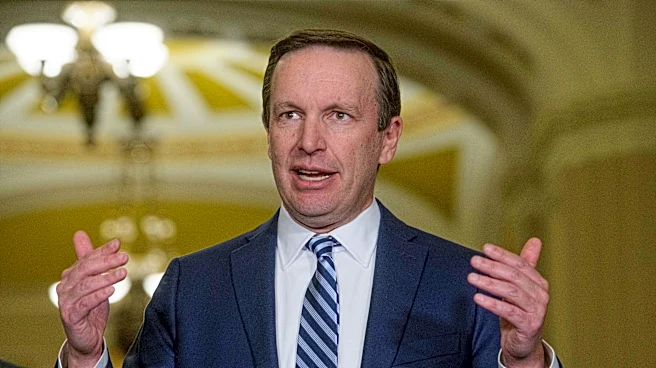
U.S. Senator Chris Murphy, a Democrat from Connecticut, experienced a stroke on Saturday. According to a statement from his office, Senator Murphy's prognosis is excellent. His case has brought attention to the critical importance of recognizing the warning
signs of a stroke. Senator Murphy, 53, reported feeling numbness in his arm, which corresponds to the 'A' for 'arm weakness' in the BE FAST acronym, while attending his son's hockey game. His staff emphasized that he acted quickly to seek medical attention, aligning with the 'T' for 'time' in the acronym. The American Stroke Association advocates for the BE FAST method as a tool to help individuals identify stroke symptoms rapidly, which can significantly improve outcomes for stroke victims and prevent permanent brain damage. A stroke occurs when the blood flow to or within the brain is interrupted, either by a blocked artery or a ruptured blood vessel, leading to potential brain tissue damage due to oxygen deprivation.
Why It's Important?
The incident involving Senator Murphy underscores a vital public health message: timely recognition and response to stroke symptoms are paramount for survival and minimizing long-term disability. Stroke is a leading cause of death in the U.S., with over 162,000 fatalities in 2023, according to the American Heart Association. The rapid action taken by Senator Murphy and his team exemplifies how immediate medical intervention can lead to a positive prognosis. Public awareness campaigns, such as those promoting the BE FAST acronym, are crucial in empowering individuals to identify symptoms like balance loss, eye changes, face drooping, arm weakness, and speech difficulty. Increased public understanding of these signs can lead to quicker 911 calls, ensuring that affected individuals receive professional medical care as soon as possible, thereby improving their chances of full recovery and reducing the societal burden of stroke-related disabilities.
What's Next?
Following Senator Murphy's stroke and positive prognosis, there will likely be a renewed emphasis on public health initiatives aimed at stroke awareness and prevention. Healthcare organizations and advocacy groups, such as the American Stroke Association, may leverage this high-profile case to further educate the public on the BE FAST acronym and the urgency of seeking immediate medical help. This event could also prompt discussions among policymakers regarding healthcare access and emergency response systems, ensuring that all Americans can receive timely and effective stroke care. For Senator Murphy, the immediate future will involve recovery, though his office has indicated an excellent prognosis. His experience serves as a powerful reminder for individuals to be vigilant about their health and to understand the critical signs of a stroke.
Beyond the Headlines
Senator Murphy's stroke highlights a broader societal challenge: the need for continuous public education on critical health issues. While medical advancements have improved stroke treatment, the initial response by individuals and their families remains a key determinant of outcomes. The BE FAST acronym, while simple, represents a sophisticated public health strategy to democratize medical knowledge, making life-saving information accessible to everyone. This incident also subtly touches upon the pressures faced by public figures, who, despite their demanding roles, are not immune to common health crises. It reinforces the idea that health literacy is a universal necessity, transcending socioeconomic status or profession. The collective understanding and application of such simple yet powerful tools can significantly impact public health outcomes, potentially saving countless lives and reducing the long-term societal costs associated with stroke-related disabilities.