




What's Happening?
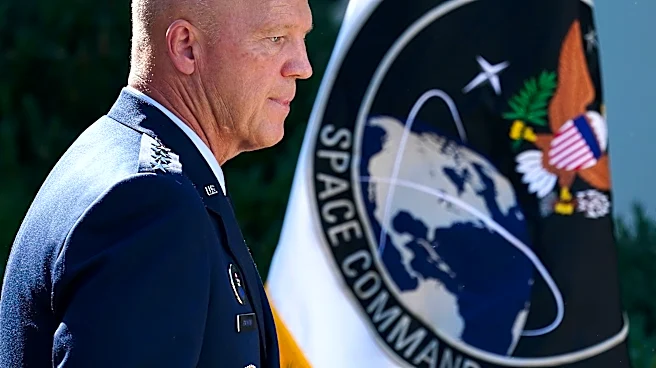
The U.S. Space Force has awarded a total of $10 million in initial contracts to three companies—Anduril, Booz Allen Hamilton, and Peerless Technologies—to develop prototypes for a new cloud-based command system for its electronic warfare fleet. These
agreements, announced last week by Space Systems Command (SSC) on November 10, mark the beginning of a competitive software prototyping phase for the Space Electromagnetic Warfare Operating Location (SEWOL) program. The SEWOL initiative is designed to enhance the Space Force's ability to disrupt adversary satellite communications (SATCOM) and pinpoint sources of radio frequency interference. The goal is to create an integrated command-and-control software that can coordinate spectrum operations, manage electronic warfare assets, and quickly respond to signal interference threats across both orbital and terrestrial links. Each company has three months to build their software prototypes, after which Space Force personnel will evaluate them in operational scenarios to select a single vendor for the full development and deployment of the SEWOL system.
Why It's Important?
This initiative is crucial for U.S. national security as it directly addresses the growing threats from adversaries like China and Russia, which are investing in capabilities to disrupt U.S. space-based systems. By developing a robust, cloud-based command system, the Space Force aims to streamline its electronic warfare operations, reduce software fragmentation, and standardize command execution across various electromagnetic warfare platforms. This will enable faster and more effective responses to interference and attacks on critical satellite communications. The ability to quickly identify and counter threats to SATCOM is vital for maintaining the operational effectiveness of all U.S. military branches, which heavily rely on space-based assets for intelligence, navigation, and communication. The contracts signify a significant investment in modernizing space defense capabilities, ensuring the U.S. maintains its technological edge in a contested space environment.
What's Next?
Over the next three months, Anduril, Booz Allen Hamilton, and Peerless Technologies will focus on developing their respective software prototypes for the SEWOL program. Following this development period, Space Force personnel will conduct rigorous testing and evaluation of these prototypes in operational scenarios. This competitive phase will culminate in the selection of a single company to proceed with the full development and fielding of the operational SEWOL system. The successful implementation of this system is expected to significantly enhance the Space Force's capacity to manage and coordinate its electronic warfare assets, providing a more resilient and responsive defense against adversary actions in space. The outcome of this prototyping phase will dictate the future direction and timeline for deploying this critical national security technology.
Beyond the Headlines
The development of SEWOL highlights a broader strategic shift within the U.S. military towards cloud-based architectures and integrated command systems to manage complex, distributed assets. This approach not only aims for operational efficiency but also seeks to build resilience and adaptability into critical defense infrastructure. The emphasis on countering adversary SATCOM capabilities underscores the increasing militarization of space and the recognition that space is a contested domain. This move could set a precedent for how other military branches integrate advanced software solutions for real-time threat response and asset management. Furthermore, the competitive prototyping model encourages innovation from private industry, potentially accelerating the development and deployment of cutting-edge defense technologies and fostering a closer collaboration between the military and the tech sector.