


What's Happening?
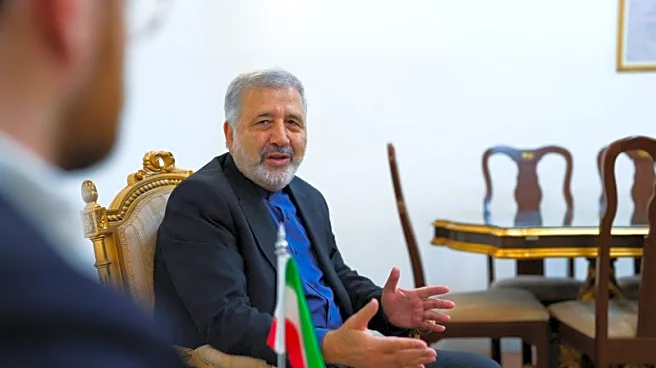
Iran has expressed the need for a 'serious review' of its relations with Arab Gulf states in light of the ongoing U.S.-Israeli conflict with Iran. Alireza Enayati, Iran's ambassador to Saudi Arabia, emphasized the importance of limiting external influences
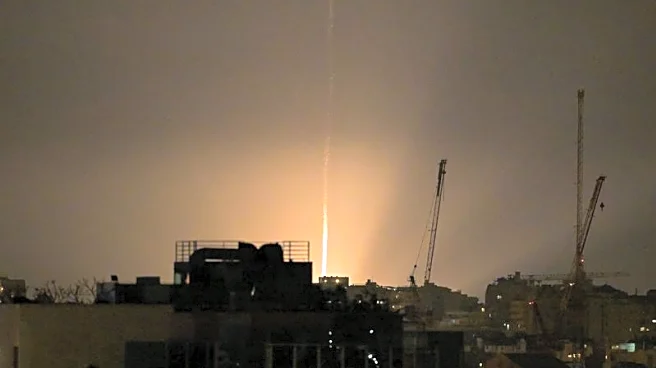
to foster regional prosperity. The call for reassessment comes as Gulf countries, including the United Arab Emirates, face numerous missile and drone attacks, which have been attributed to the broader conflict. Despite these tensions, Iran denies responsibility for attacks on Saudi oil infrastructure, asserting that its military actions are directed solely at U.S. and Israeli targets. The situation is further complicated by the historical context of Saudi Arabia and Iran re-establishing diplomatic relations in 2023 after years of hostility.
Why It's Important?
The call for a review of Gulf relations by Iran highlights the complex geopolitical dynamics in the Middle East, particularly the influence of external powers like the U.S. and Israel. The ongoing conflict has significant implications for regional stability and economic security, especially for oil-producing nations like Saudi Arabia. The attacks on critical infrastructure underscore the vulnerability of Gulf states and the potential for escalation. Additionally, the situation reflects growing frustration among Gulf countries with the U.S., traditionally seen as a security guarantor, for involving them in a conflict they did not endorse. This development could lead to shifts in alliances and a reevaluation of security strategies in the region.
What's Next?
The future of Gulf-Iran relations will likely depend on diplomatic efforts to de-escalate the conflict and address the concerns of regional players. Iran's ongoing dialogue with Saudi Arabia, particularly regarding the use of Saudi territory in military operations, could play a crucial role in shaping future interactions. The international community, including the U.S. and Israel, may need to engage in negotiations to prevent further escalation and secure guarantees against future conflicts. The outcome of these discussions could significantly impact the geopolitical landscape of the Middle East and the global energy market.