



What's Happening?
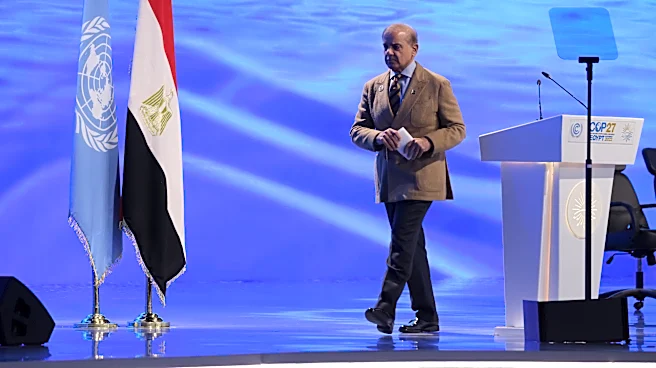
At the COP31 climate summit in Antalya, developed countries are reportedly resisting a commitment to triple adaptation finance, a key promise from COP30. The pledge to increase adaptation finance remains in the Global Goal on Adaptation text, but nations
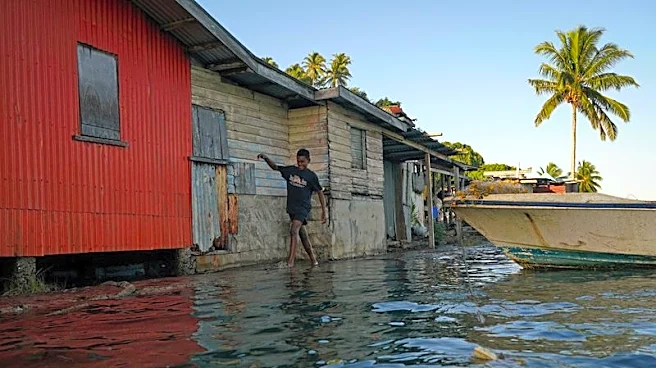
like Australia, the EU, Japan, and Norway have objected to its inclusion or references to tripling. Instead of agreeing on how to deliver already pledged finance, discussions are leaning towards further workshops, potentially delaying decisions beyond COP31. This resistance comes despite the urgent need for funds in developing countries facing severe climate impacts such as floods, droughts, and failing harvests. The lack of an agreed baseline for the tripling commitment, similar to issues with the Glasgow pledge to double adaptation finance, further complicates the situation, raising concerns that funds may not be publicly and grant-based, leaving debt-distressed countries to borrow for climate protection.
Why It's Important?
This resistance from developed nations at COP31 carries significant implications for global climate action and international trust. The failure to uphold the commitment to triple adaptation finance directly impacts vulnerable developing countries, many of which are already struggling with the devastating effects of climate change and limited financial resources. Without adequate and accessible funding, these nations will find it increasingly difficult to implement crucial adaptation measures, leading to greater humanitarian crises, economic instability, and increased loss of life and livelihoods. This situation also undermines the principle of climate justice, where countries historically less responsible for climate change bear a disproportionate burden. Furthermore, the reluctance of developed nations to fulfill their financial obligations could erode confidence in international climate agreements, making future negotiations and collective action more challenging. It also highlights a potential disconnect between high-level political rhetoric and concrete financial commitments, raising questions about the sincerity of global efforts to combat climate change.
What's Next?
The ongoing negotiations at COP31 will determine the immediate future of the adaptation finance commitment. Developing countries are pushing for the tripling commitment to be defended as a floor for a new goal based on real needs, with a clear plan for how the money will reach those who need it. The COP31 presidencies, particularly Australia, are under pressure to demonstrate leadership and facilitate agreements that deliver tangible support rather than just declarations. Civil society organizations have issued an open letter urging Australia to increase ambition in the second week of the summit, calling for a credible plan to deliver tripled adaptation finance. If a concrete agreement on tripling adaptation finance is not reached, it could lead to continued delays in critical climate adaptation projects, exacerbating the challenges faced by vulnerable communities worldwide. The outcome of these discussions will also influence the broader climate finance landscape, including the replenishment of the Loss and Damage Fund and the future of the Mitigation Work Programme.
Beyond the Headlines
The struggle over adaptation finance at COP31 reveals deeper ethical and systemic issues within global climate governance. The reluctance of wealthy nations to provide grant-based finance forces developing countries, already burdened by debt, to take on more loans to address a crisis they largely did not create. This perpetuates a cycle of dependency and exacerbates existing inequalities. The debate also highlights the challenge of accountability in international agreements; without clear baselines and mechanisms for tracking, commitments can become ambiguous and difficult to enforce. This situation could lead to a long-term shift in how climate finance is perceived and negotiated, potentially fostering greater distrust between the Global North and South. It also underscores the need for a more equitable and transparent financial architecture that prioritizes the needs of the most vulnerable and ensures that climate action is not hindered by financial barriers.