

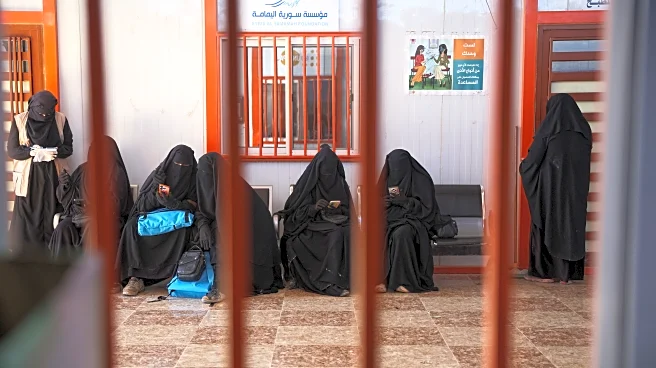

What's Happening?
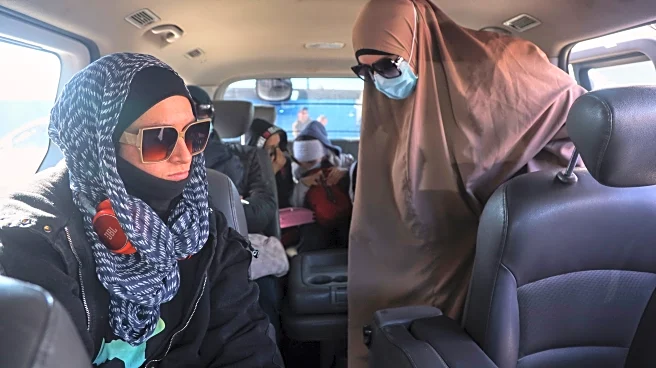
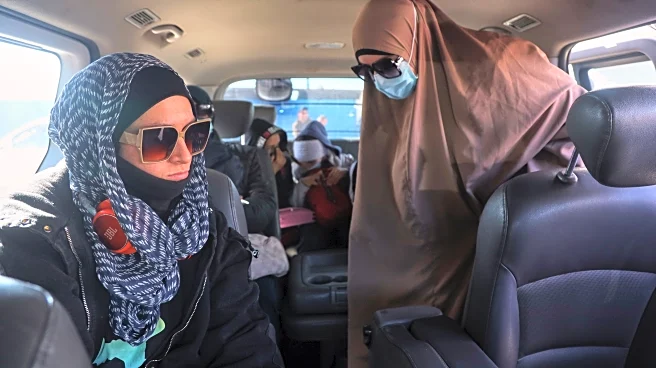
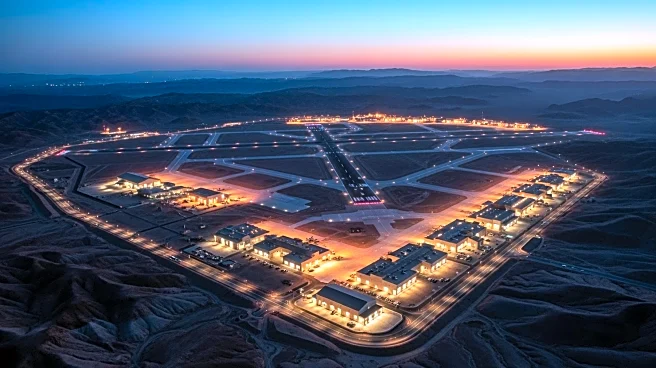
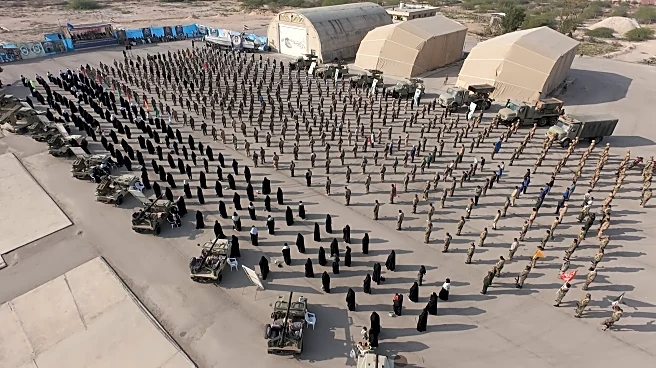
The U.S. military has completed the transfer of thousands of suspected Islamic State fighters to the Iraqi government, paving the way for a potential withdrawal of American troops from Syria. This move comes amid concerns about the Syrian government's
ability to prevent a resurgence of ISIS. The transfer is part of a broader strategy to reduce U.S. military presence in the region while ensuring that local forces can maintain security and stability. The decision reflects ongoing debates about the U.S. role in Middle Eastern conflicts and the effectiveness of local governance in managing security threats.
Why It's Important?
The transfer of ISIS suspects and the potential troop withdrawal highlight the challenges of balancing military engagement with diplomatic and security objectives in the Middle East. The U.S. aims to reduce its military footprint while supporting regional stability, but the effectiveness of this strategy depends on the capabilities of local governments and security forces. The withdrawal could have significant implications for U.S. foreign policy, regional alliances, and the fight against terrorism. It also raises questions about the long-term sustainability of U.S. military interventions and the role of international cooperation in addressing global security threats.
What's Next?
The U.S. government will likely continue to assess the security situation in Syria and Iraq to determine the appropriate level of military involvement. The success of the troop withdrawal will depend on the ability of local forces to manage security challenges and prevent the resurgence of ISIS. The U.S. may also explore diplomatic and economic measures to support regional stability and address the underlying causes of conflict. The international community will play a crucial role in supporting these efforts and ensuring that the transition does not lead to increased instability or violence.