






What's Happening?
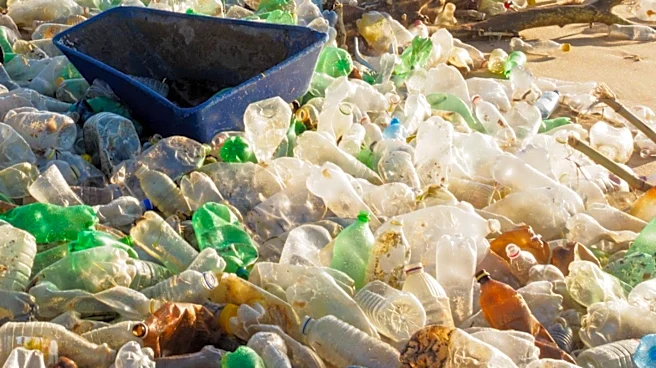
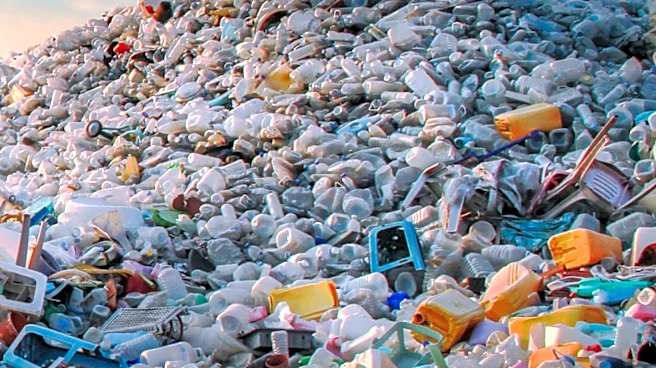
Municipalities in British Columbia are intensifying efforts to combat 'wishcycling,' a practice where residents place non-recyclable items in recycling bins, hoping they will be recycled. This issue has led to increased contamination rates in recycling loads,
with some areas experiencing contamination as high as 18%. The Regional District of Nanaimo and the City of Richmond are implementing measures such as fines and audits to address the problem. Residents who repeatedly violate recycling guidelines may face penalties, including fines and potential cessation of recycling services. The initiative aims to reduce contamination and improve the efficiency of recycling programs.
Why It's Important?
Addressing 'wishcycling' is crucial for maintaining the integrity and efficiency of recycling systems. High contamination rates can lead to entire loads being sent to landfills, undermining environmental efforts and increasing waste management costs. By enforcing stricter recycling guidelines, municipalities can enhance the quality of recyclable materials, making them more marketable and reducing the environmental impact. This initiative also highlights the importance of public education in recycling practices, encouraging residents to be more mindful of what they place in recycling bins.
What's Next?
Municipalities will continue to monitor contamination rates and adjust their strategies as needed. Public education campaigns may be expanded to raise awareness about proper recycling practices. The success of these measures could serve as a model for other regions facing similar challenges. Additionally, collaboration with recycling facilities and industry stakeholders will be essential to develop more effective recycling systems and technologies. Ongoing evaluation of the program's impact will help refine approaches and ensure long-term sustainability.