




What's Happening?
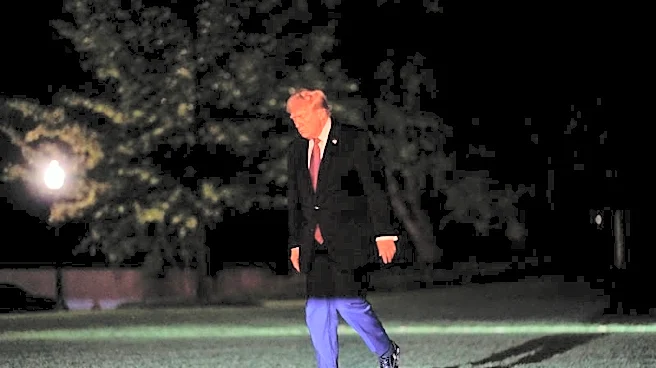
U.S. negotiators are preparing for another round of peace talks with Iran in Islamabad, Pakistan, amid ongoing tensions in the Strait of Hormuz. President Trump has reiterated threats against Iran, warning of potential military action if a deal is not reached.
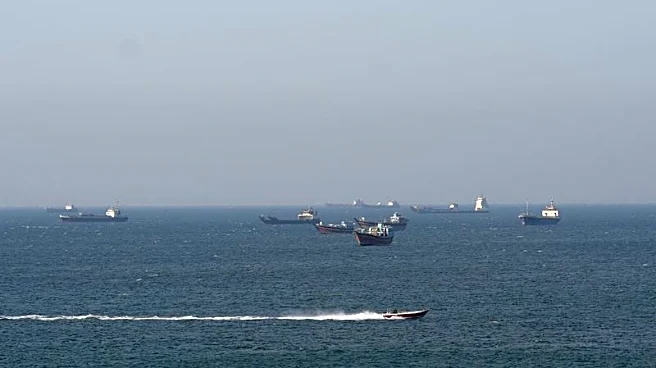
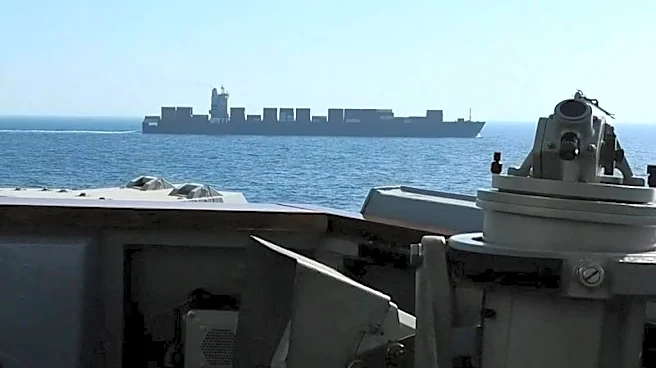
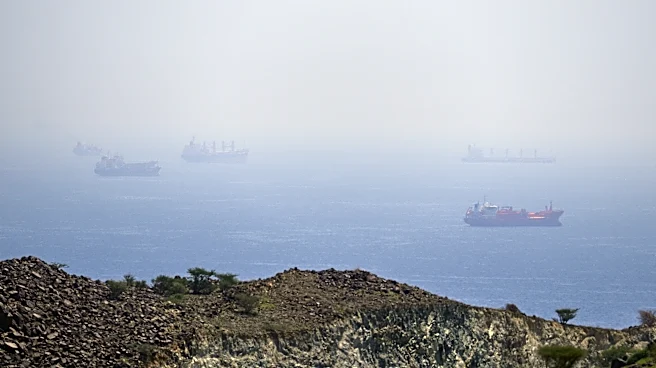
The U.S. blockade of the Strait, a critical passage for global oil, continues to strain relations, with Iran closing the waterway in response. The blockade has reportedly cost Iran $500 million daily, while the U.S. claims no losses. Iran's chief negotiator, Mohammed Bagher Qalibaf, has stated that Iran will not allow passage through the Strait while the blockade persists.
Why It's Important?
The situation in the Strait of Hormuz is critical for global energy markets, as it is a major route for oil and gas shipments. The U.S. blockade and Iran's closure of the Strait could lead to significant disruptions in global oil supply, affecting prices and economic stability worldwide. The ongoing conflict also poses risks to regional security and could escalate into broader military engagements. The upcoming peace talks are crucial for de-escalating tensions and finding a diplomatic resolution. Successful negotiations could stabilize the region and ensure the continued flow of oil through the Strait.
What's Next?
The peace talks in Islamabad are a pivotal moment for U.S.-Iran relations. The outcome will likely influence future diplomatic and military strategies. If negotiations fail, the U.S. may resort to further military actions, as indicated by President Trump's threats. Conversely, a successful agreement could lead to the lifting of the blockade and the reopening of the Strait, easing global oil market tensions. The international community will be closely monitoring the talks, as their success or failure will have far-reaching implications for global energy security and regional stability.