





What's Happening?
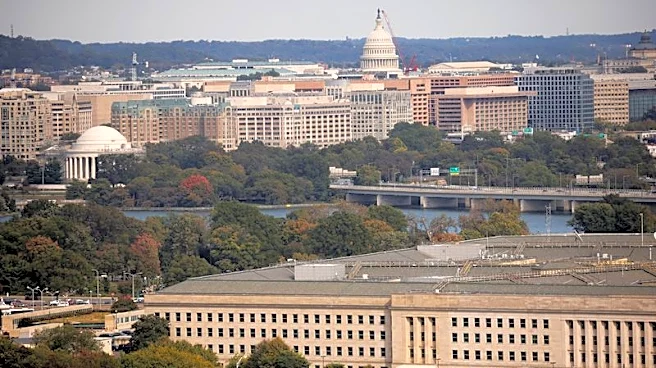
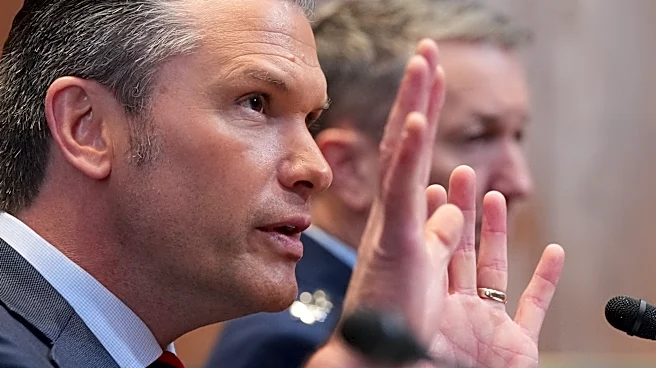
The Pentagon has reported that the ongoing war in Iran has cost approximately $29 billion so far, an increase from the $25 billion estimated two weeks ago. Defense officials provided this update during a congressional hearing, highlighting the financial
burden of the conflict. The costs do not include repairs to U.S. facilities damaged by Iranian attacks, which could add an additional $4 billion. The war has created political challenges for Republicans, as public dissatisfaction with the conflict grows. The situation is further complicated by economic impacts, including rising fuel and fertilizer prices affecting U.S. farmers.
Why It's Important?
The financial and political implications of the war in Iran are significant for the United States. The rising costs contribute to the national debt and may impact other areas of government spending. Politically, the conflict poses challenges for the Republican Party, as public discontent could influence upcoming elections. The economic effects, such as increased prices for fuel and agricultural inputs, add to the domestic challenges faced by the U.S. economy. The situation underscores the complexities of foreign military engagements and their far-reaching consequences.
What's Next?
The U.S. government may seek additional funding to cover the costs of the war, potentially leading to further debates in Congress. The conflict's continuation could influence U.S. foreign policy and military strategy, with potential implications for international relations. Domestically, the economic impacts may prompt policy responses to support affected industries, such as agriculture. The political landscape could also shift as parties navigate public opinion and electoral considerations related to the conflict.