

What's Happening?
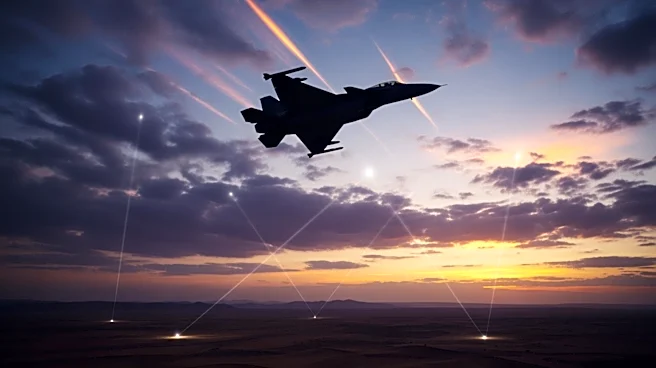
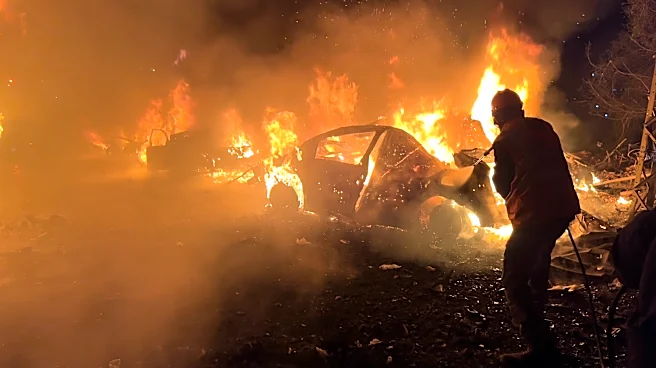
President Donald Trump has asserted that the recent downing of a U.S. fighter jet over Iran will not impede ongoing diplomatic negotiations with Tehran. Despite the incident, which involved direct fire on search and rescue operations, Trump emphasized
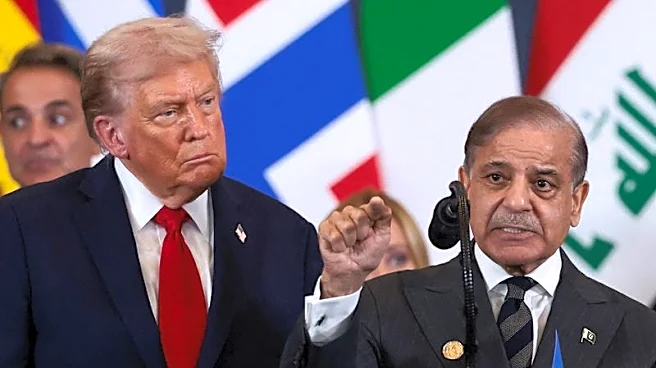
that the situation is part of wartime conditions. The U.S. military is currently engaged in complex recovery efforts for the jet's navigator, with two American helicopters reportedly struck by Iranian fire during the mission. Meanwhile, diplomatic efforts to broker a ceasefire between the United States and Iran have stalled, as Tehran has rejected mediation talks planned in Islamabad, citing U.S. demands as unacceptable.
Why It's Important?
The downing of the U.S. jet and subsequent rescue operations highlight the escalating tensions between the United States and Iran, which could have significant implications for regional stability and international relations. The refusal of Iran to engage in mediation talks further complicates efforts to de-escalate the situation, potentially affecting U.S. foreign policy and military strategy in the Middle East. The incident also underscores the risks faced by U.S. military personnel in the region and the challenges of conducting operations under hostile conditions. The broader impact on diplomatic relations and potential shifts in alliances could influence future negotiations and conflict resolution efforts.
What's Next?
As the situation unfolds, the United States may need to reassess its diplomatic and military strategies in the region. The stalled talks and Iran's firm stance against U.S. demands suggest that alternative approaches may be necessary to achieve a ceasefire or de-escalation. Regional actors, such as Pakistan, may continue to play a role in facilitating dialogue, although their efforts have so far been unsuccessful. The U.S. government may also issue further advisories to American citizens in the region, emphasizing the need for contingency plans and readiness to shelter in place amid ongoing security threats.
Beyond the Headlines
The incident raises questions about the effectiveness of current U.S. foreign policy in the Middle East and the potential need for a strategic pivot. The complexities of negotiating with Iran, coupled with the risks of military engagement, may prompt discussions on alternative diplomatic solutions or increased international involvement. The situation also highlights the broader geopolitical dynamics at play, including the influence of regional powers and the role of international organizations in conflict resolution. Long-term implications could include shifts in military alliances and changes in the balance of power within the region.