




What's Happening?
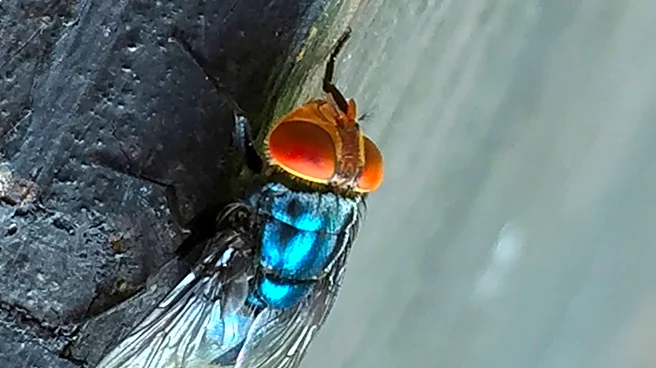
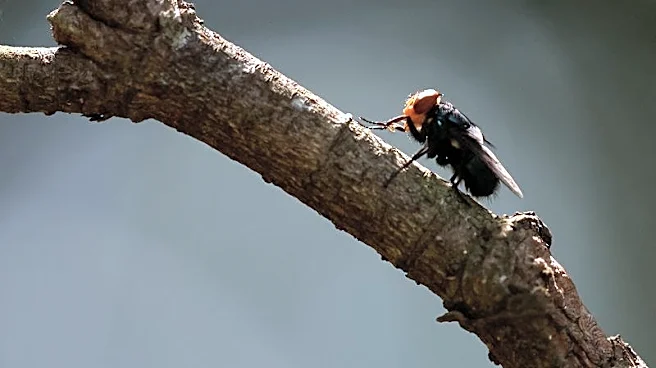
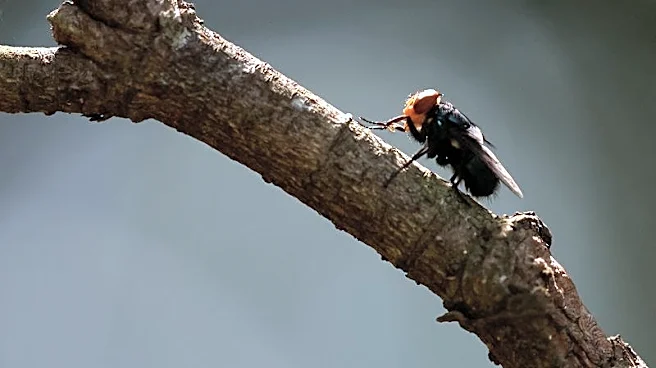
The U.S. Department of Agriculture (USDA) has confirmed the detection of the New World screwworm in a calf in Zavala County, Texas. This marks the first appearance of the parasite in the U.S. in decades. The screwworm, known for its flesh-eating larvae,
poses a significant threat to livestock. USDA and Texas officials are taking immediate action to contain and eradicate the pest, including establishing a 20 km infested zone around the detection site and enforcing quarantines and movement controls. The USDA has a history of successfully eliminating this pest and is investing heavily in tools to combat its spread.
Why It's Important?
The reappearance of the New World screwworm in Texas is significant due to its potential economic impact on the U.S. livestock industry. The parasite can cause severe damage to cattle, leading to substantial economic losses. The USDA's swift response aims to prevent a widespread infestation, which could have dire consequences for cattle farmers and the agricultural sector. The situation underscores the importance of biosecurity measures and the need for continued vigilance against agricultural pests that can cross borders and threaten domestic industries.
What's Next?
USDA and Texas officials will continue to monitor the situation closely, enforcing quarantines and movement controls to prevent the spread of the screwworm. The USDA's efforts to eradicate the pest will likely involve deploying sterile screwworm flies to disrupt the breeding cycle of the parasite. The agency's historical success in eliminating the screwworm provides a framework for current efforts. Stakeholders, including cattle farmers and industry leaders, will need to cooperate with authorities to ensure the containment measures are effective.