





What's Happening?
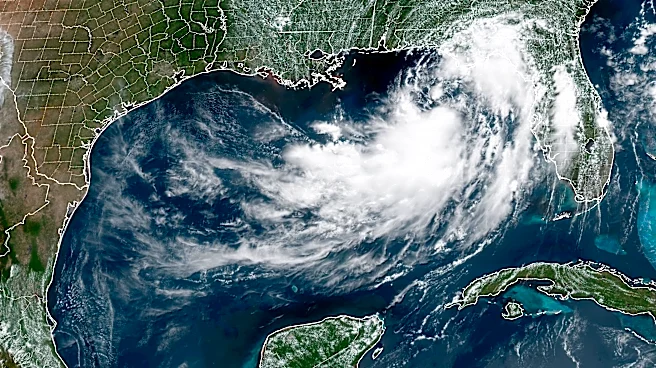
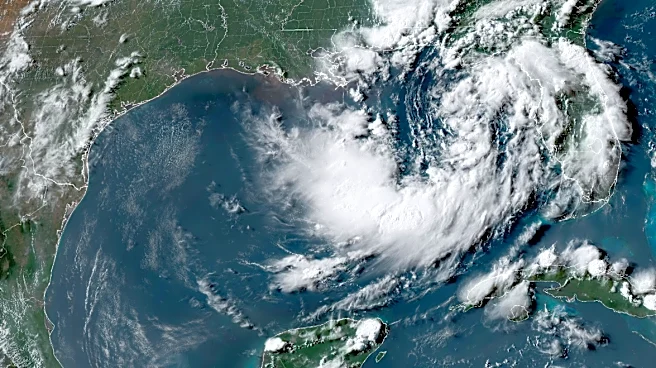
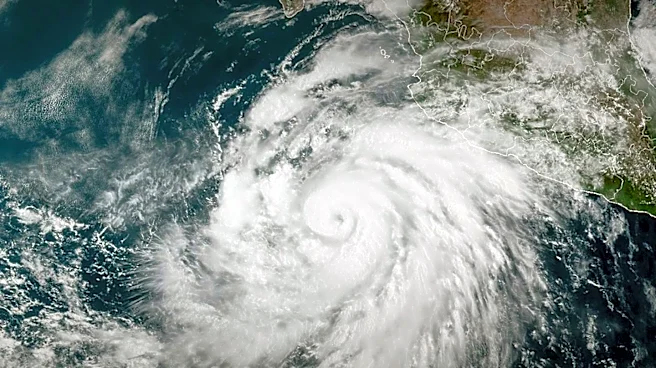
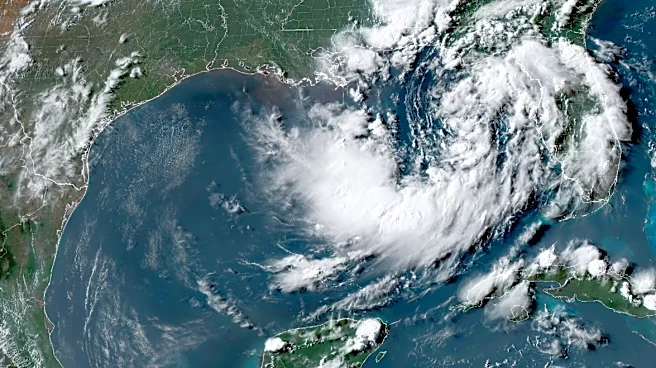
Tropical Storm Bertha has formed in the Gulf of Mexico, approximately 140 miles south of Panama City, Florida. The storm is moving erratically towards the northern Gulf Coast, posing a threat of heavy rain, storm surge, and damaging wind gusts. The National
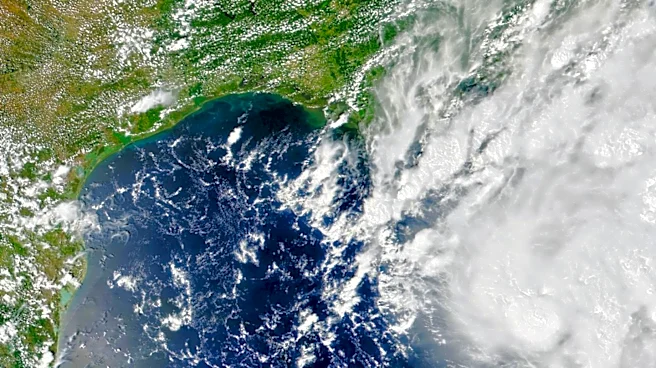
Hurricane Center reports that Bertha's maximum sustained winds are around 40 mph, with potential for further strengthening as it nears land. A tropical storm warning is in effect from the Ochlockonee River in Florida to southeastern Louisiana. Additionally, a storm surge watch is in place from the Mississippi River to the Alabama-Florida border. The storm is expected to bring significant rainfall, with totals of 3 to 5 inches along the Louisiana coastline and higher amounts in isolated areas. The slow-moving storm is anticipated to make a northwesterly turn towards the coast, impacting areas from northern Florida to Texas.
Why It's Important?
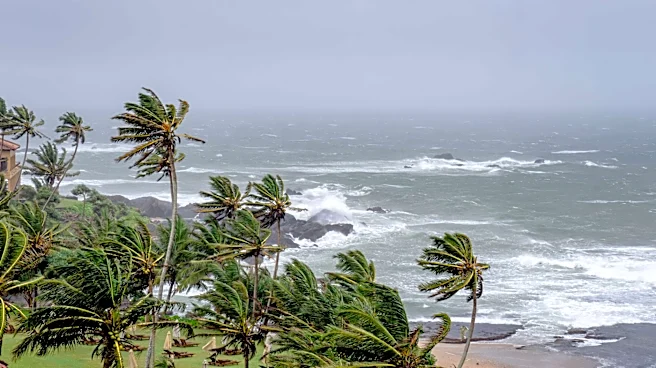
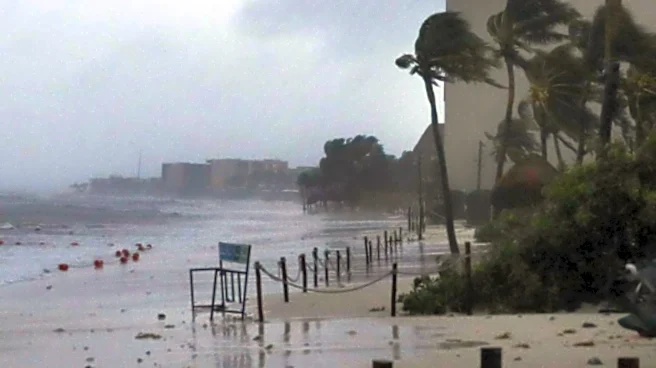
The approach of Tropical Storm Bertha is significant due to the potential for life-threatening storm surges and flash flooding in coastal areas. The storm's impact could disrupt communities along the Gulf Coast, affecting local economies and infrastructure. Emergency services are on alert, with measures such as sandbag distribution in flood-prone areas. The storm's progression is being closely monitored, as it could lead to isolated tornadoes in the Florida Big Bend region. The situation underscores the importance of preparedness and response strategies in mitigating the effects of severe weather events on vulnerable coastal populations.
What's Next?
As Tropical Storm Bertha continues its approach, residents in the affected areas are advised to stay informed and heed warnings from local authorities. Emergency management teams are likely to increase their readiness, with potential evacuations or additional safety measures if the storm intensifies. The National Hurricane Center will continue to provide updates on the storm's path and strength. Communities along the Gulf Coast should prepare for possible disruptions and ensure that emergency plans are in place.