





What's Happening?
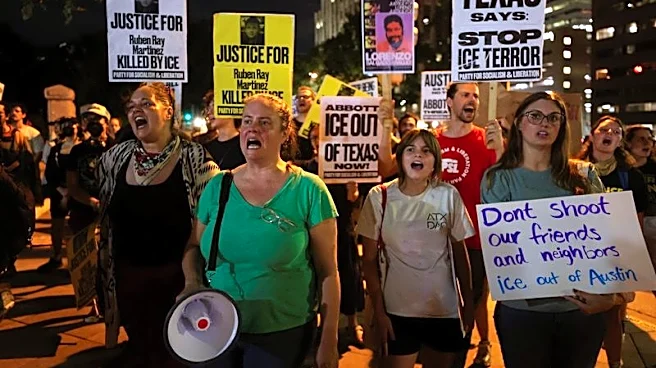
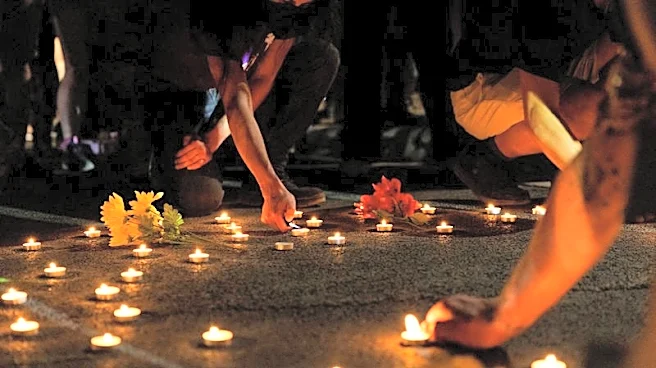
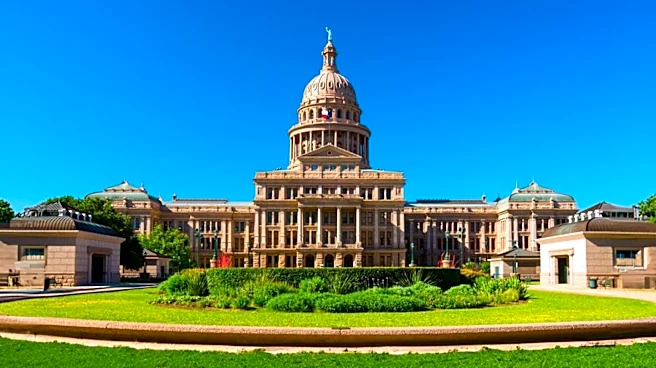
Protesters gathered at the Texas Capitol for a second consecutive night following an incident where an Immigration and Customs Enforcement (ICE) officer shot and wounded Wilber Rafael Garces Perez, a Venezuelan citizen, in North Austin. The protest on Monday
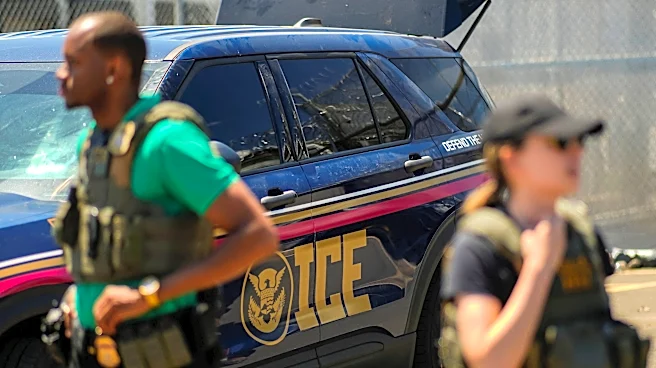
evening, organized by the immigrant rights group La Frontera Unida, saw approximately 150 attendees and a significant police presence. Chants included calls for immigration rights, an end to deportations, and the removal of ICE from the area. The shooting occurred on Sunday when Garces Perez, driving for DoorDash, was allegedly sideswiped by an unmarked black SUV and subsequently shot for not stopping. He is currently in ICE custody in South Texas with a bullet still lodged in his back. A previous protest on Sunday near Anderson Square and U.S. 183 resulted in police using pepper ball bursts and projectiles, leading to at least four arrests.
Why It's Important?
This incident and the subsequent protests highlight significant tensions surrounding immigration enforcement and police conduct in the U.S., particularly in Texas. The shooting of an individual by an ICE officer raises serious questions about the use of force, identification protocols for law enforcement, and the rights of immigrants. The community's reaction, characterized by protests and calls for justice, underscores a deep-seated concern among Hispanic communities and immigrant rights advocates regarding their safety and treatment by federal agencies. This event could intensify debates on immigration policy, law enforcement accountability, and the role of ICE within local communities. It also brings to the forefront the emotional and personal impact of immigration enforcement actions on individuals and families, as evidenced by the testimony of an Army veteran who expressed fear for his parents' safety.
What's Next?
Wilber Rafael Garces Perez remains in ICE custody in South Texas, and his attorney, Kate Lincoln-Goldfinch, has indicated he still has a bullet lodged in his back. Legal proceedings are expected to follow regarding the shooting and Garces Perez's immigration status. The protests are likely to continue, potentially escalating if there are no immediate actions or statements from authorities addressing the community's concerns. This incident could also prompt investigations into the ICE officer's conduct and the circumstances surrounding the shooting. Furthermore, it may fuel broader discussions and legislative efforts at both state and federal levels concerning immigration enforcement practices, police accountability, and the protection of immigrant rights. Community organizers and advocacy groups will likely continue to mobilize, seeking policy changes and greater transparency from law enforcement agencies.
Beyond the Headlines
The Austin ICE shooting and the ensuing protests reveal deeper societal fault lines concerning immigration, justice, and the exercise of state power. The narrative of an unmarked vehicle and a shooting without clear identification taps into existing anxieties about unchecked authority and potential abuses. This event could further erode trust between immigrant communities and law enforcement, making cooperation on other issues more challenging. Ethically, the incident raises questions about the proportionality of force and the duty of care owed to individuals, regardless of their immigration status. Culturally, it reinforces a sense of vulnerability among immigrant populations, potentially leading to increased fear and reluctance to engage with official institutions. The long-term implications could include a more polarized public discourse on immigration, increased advocacy for comprehensive immigration reform, and a re-examination of the operational guidelines for federal agencies like ICE, particularly in urban environments.