






What's Happening?
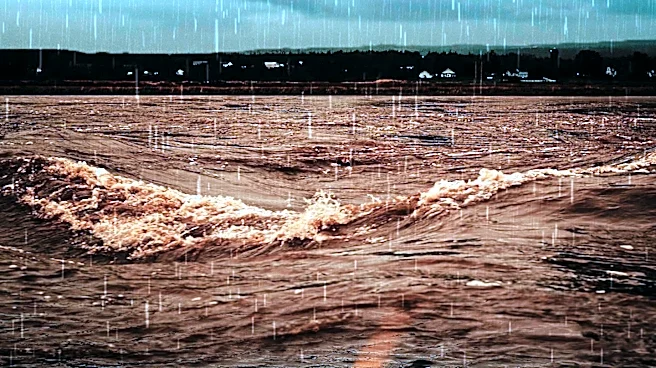
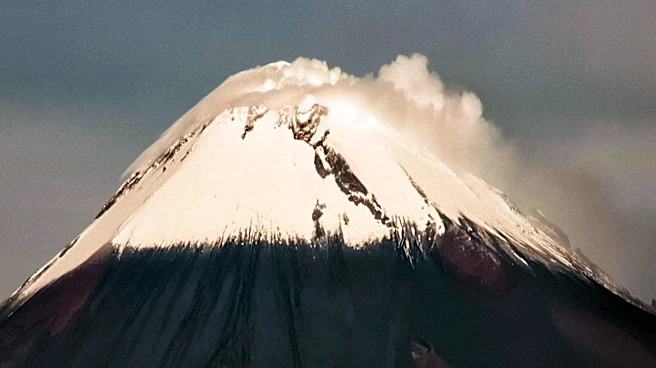
Researchers have pinpointed the date of a significant lahar, known as the Electron Mudflow, on Mount Rainier to the summer of 1507. This discovery was made possible through the analysis of tree rings from buried forests, providing a precise timeline for the event.
Lahars, or volcanic mudflows, pose a significant threat to communities near Mount Rainier due to the mountain's geology and ice cap. The study's findings contribute to a better understanding of the frequency and causes of such events, which are crucial for developing effective evacuation plans and mitigating future risks.
Why It's Important?
The ability to accurately date past lahars enhances the scientific community's understanding of volcanic activity and its potential impact on populated areas. This knowledge is vital for improving hazard assessments and emergency preparedness strategies, particularly for regions like the Pacific Northwest that are vulnerable to volcanic events. The study also highlights the importance of integrating indigenous oral histories with scientific research to gain a comprehensive understanding of historical natural disasters. By establishing a clearer timeline of past events, scientists can better predict and prepare for future occurrences, ultimately safeguarding lives and property.
Beyond the Headlines
The research underscores the broader implications of geological studies in understanding natural hazards and their impact on human settlements. It raises awareness about the need for continuous monitoring and research to adapt to changing environmental conditions. The study also emphasizes the role of interdisciplinary approaches, combining geology, archaeology, and anthropology, in uncovering the complex history of natural events and their effects on human societies.