


What's Happening?
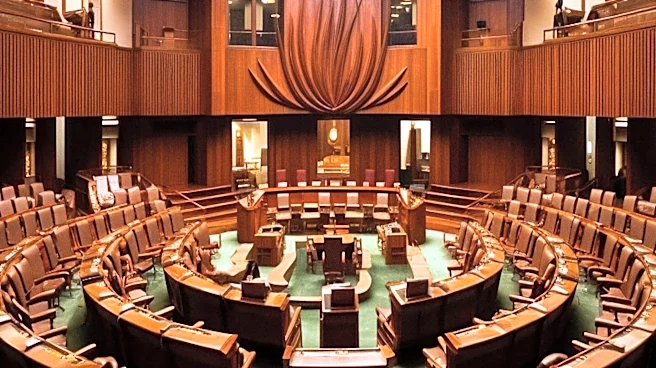
The Senate Agriculture Committee is set to review its version of the farm bill, which includes provisions aimed at providing financial aid to farmers, enhancing crop sales overseas, and allowing year-round sales of ethanol-blend gasoline. The bill's progress
is uncertain due to a lack of bipartisan agreement, particularly concerning the Supplemental Nutrition Assistance Program (SNAP) cost-sharing measures. The current short-term extension of the farm bill is due to expire at the end of September. Chair John Boozman (R-Arkansas) has emphasized the urgency of passing the bill before the August recess. The bill seeks to address record-high farm bankruptcies by offering farmers more flexibility in using emergency government land and cost-sharing programs during adverse weather conditions. It also proposes changes to conservation payments and increases loan sizes for farmers. However, the handling of SNAP payment error rates remains a contentious issue, with Democrats requesting a two-year delay in cost shifts to states, while Republicans prefer to maintain the changes made in a 2025 reconciliation law.
Why It's Important?
The farm bill is crucial for the agricultural sector, providing necessary support to farmers facing financial difficulties due to high input costs and extreme weather. The bill's provisions aim to stabilize the agricultural economy by enhancing financial aid and promoting sustainable farming practices. The debate over SNAP cost-sharing highlights the broader political divide on social welfare programs, with potential implications for state budgets and low-income families relying on food assistance. The outcome of this legislation could significantly impact the agricultural industry, energy sector, and social welfare policies. The inclusion of year-round E15 sales is particularly significant for corn growers but faces opposition from oil producers, indicating potential conflicts between agricultural and energy interests.
What's Next?
The Senate Agriculture Committee will continue negotiations to reach a bipartisan agreement on the farm bill. The committee's actions will be closely watched by stakeholders in the agricultural and energy sectors, as well as state governments concerned about the financial implications of SNAP cost-sharing. The bill's progress will depend on the ability of lawmakers to reconcile differences over SNAP provisions and other contentious issues. If a compromise is not reached, the expiration of the current farm bill extension could lead to uncertainty and disruption in agricultural support programs.