


What's Happening?
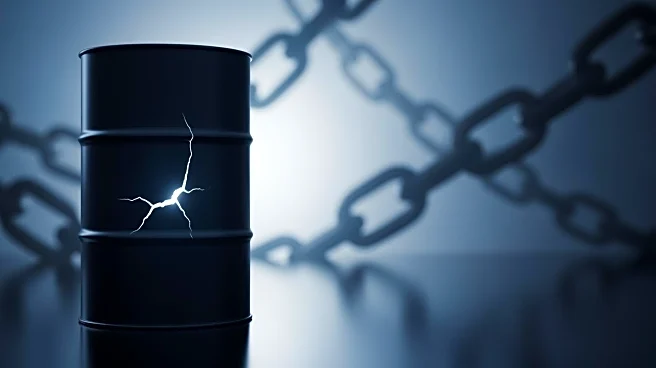
Ukraine and European allies have criticized the U.S. decision to partially roll back sanctions on Russian oil amid rising energy prices linked to the Iran conflict. Ukrainian President Volodymyr Zelenskyy stated that the move strengthens Russia's position
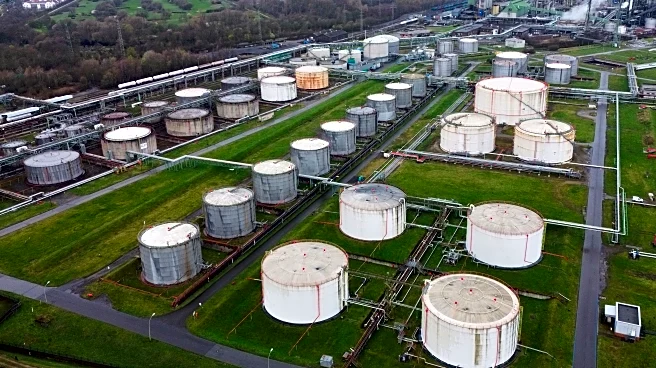
and could provide it with $10 billion for its war efforts. The U.S. issued a 30-day waiver allowing countries to purchase Russian oil stranded at sea, aiming to stabilize global energy markets. European leaders, including French President Emmanuel Macron, expressed concerns over the decision's impact on European security and the ongoing conflict in Ukraine.
Why It's Important?
The U.S. decision to ease sanctions on Russian oil highlights the complex geopolitical dynamics affecting global energy markets. The move aims to address energy shortages caused by the Iran conflict, which has disrupted oil transit through the Strait of Hormuz. However, it raises concerns about undermining efforts to pressure Russia economically amid its ongoing war in Ukraine. The decision could strain U.S.-European relations and complicate diplomatic efforts to resolve the Ukraine conflict. The situation underscores the challenges of balancing energy security with geopolitical objectives.
What's Next?
The temporary U.S. waiver on Russian oil purchases may lead to further diplomatic discussions among Western allies. European leaders are likely to push for continued economic pressure on Russia to facilitate peace negotiations. The U.S. may face domestic and international scrutiny over its decision, with potential implications for its foreign policy and energy strategy. The ongoing Iran conflict and its impact on global oil supply will remain a critical factor in shaping international responses and energy market dynamics.