



What's Happening?
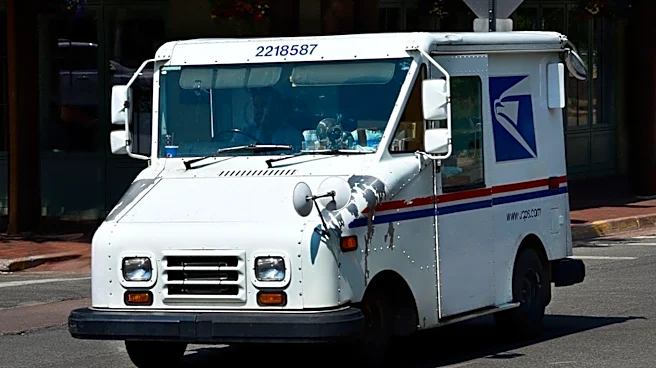
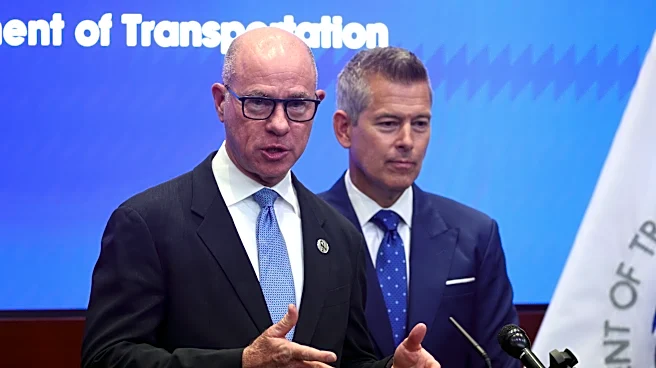
Postmaster General David Steiner informed the Postal Service board of governors on November 10 that the United States Postal Service (USPS) faces severe service reductions if Congress does not address the agency's retirement costs and 'money-losing mandates.'
Steiner stated that USPS management's options are limited, potentially leading to 'drastic' changes in the number of post offices nationwide and softened service standards for non-First-Class Mail and marketing mail. He emphasized that the Postal Service cannot achieve long-term financial stability without fundamental changes to its legislatively dictated business model. Steiner highlighted that the uncontrollable costs of retirement plans create an untenable situation for employees and necessitate urgent Congressional attention and action. The USPS has also implemented a permanent fuel surcharge, raising it to 11 percent, and is proposing to increase domestic shipping prices by 5.9 percent and international prices by 7.9 percent.
Why It's Important?
The potential for 'drastic' service cuts by the USPS carries significant implications for American businesses and citizens, particularly those in rural communities. The USPS is described as the core of a nearly $2 trillion ecosystem, supporting almost 8 million jobs and providing critical infrastructure that reaches every address in the country. Reduced service standards and fewer post offices could severely impact small businesses reliant on affordable shipping, e-commerce operations, and the timely delivery of essential goods and communications. Rural areas, which often have fewer alternative delivery options, would likely face the sharpest cuts, exacerbating existing disparities in access to services. The financial stability of the USPS is crucial for the broader U.S. economy, and a failure to address its structural financial issues could lead to widespread economic disruption and reduced connectivity across the nation.
What's Next?
Postmaster General Steiner indicated that fully developed plans for service cuts will be presented in the first calendar quarter of 2027. These plans will be shared with government leadership, forcing a policy choice between reduced service levels or reform of retirement plans and funding for money-losing mandates. Steiner has offered Congress two paths: either remove uneconomical mandates that prevent the USPS from functioning as a self-sufficient business, which he claims could overcome controllable losses in six months, or provide direct funding. If Congress does not choose either path, mailers and rural communities are expected to face the most significant cuts. The implementation of a permanent fuel surcharge and proposed shipping price increases are already in motion, with the fuel surcharge rate set to be reevaluated in July 2027 and adjusted weekly thereafter.
Beyond the Headlines
The ongoing financial challenges of the USPS and the call for Congressional intervention highlight a deeper tension between the agency's role as a public service and its need for financial solvency. The 'legislatively dictated business model' that Steiner refers to suggests that the USPS operates under constraints that private companies do not, such as universal service obligations and specific retirement benefit structures. This situation raises questions about the appropriate balance between government mandates and operational efficiency. The debate over funding and reform also touches upon the evolving nature of mail delivery in the digital age, where traditional mail volumes may decline while package delivery increases. The outcome of this congressional deliberation could set a precedent for how essential public services are funded and managed in a rapidly changing economic landscape.