





What's Happening?
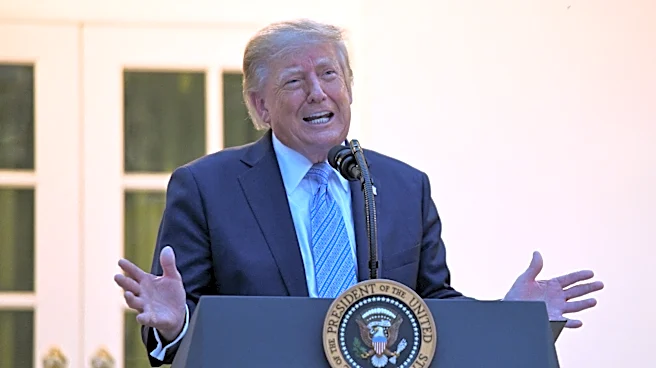
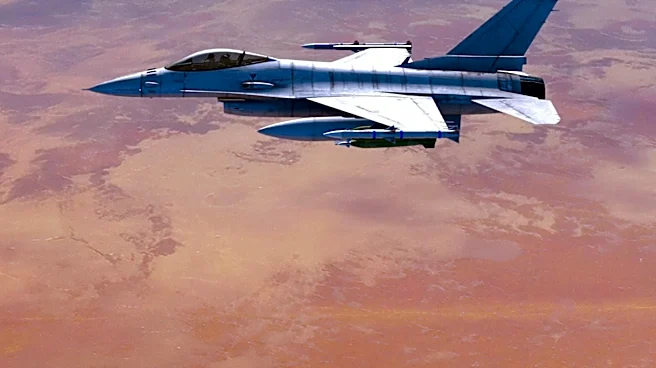
A NORAD F-16 fighter jet intercepted a general aviation aircraft that entered restricted airspace over Thurmont, Maryland, on a Saturday morning. The incident occurred near Camp David, the presidential retreat where President Trump was staying at the time.
The interception took place at approximately 7:50 a.m. Eastern Daylight Time. The 1st Air Force, part of US Northern Command, confirmed that the F-16 deployed flares during the interception, which may have been visible to people on the ground. These flares were used to draw the pilot's attention or signal the aircraft, and military officials stated they posed no danger to those on the ground. The aircraft was subsequently escorted safely out of the restricted airspace by the NORAD F-16. President Trump had arrived at Camp David on Friday evening and was expected to remain there throughout the weekend. The statement did not indicate that the intercepted aircraft posed any direct threat to President Trump or the Camp David facility.
Why It's Important?
This incident highlights the critical importance of maintaining strict airspace security around high-value targets and presidential retreats like Camp David. The rapid response by NORAD's F-16 demonstrates the continuous vigilance and readiness of U.S. air defense systems to protect national security assets and personnel. Such interceptions, while often involving general aviation pilots who inadvertently stray into restricted zones, serve as a vital exercise of defense protocols. The use of flares, a standard procedure to alert non-responsive aircraft, underscores the seriousness with which these airspace violations are treated. For the public, it reinforces the understanding that designated restricted airspaces are actively monitored and defended, ensuring the safety of the President and other key figures. The incident also implicitly educates the general aviation community about the consequences of violating temporary flight restrictions (TFRs) that are frequently established around presidential movements or sensitive locations.
What's Next?
Following such an incident, the Federal Aviation Administration (FAA) will likely investigate the general aviation pilot's actions to determine the cause of the airspace violation. This investigation typically involves reviewing flight plans, pilot communications, and radar data to ascertain whether the violation was accidental, due to negligence, or intentional. Depending on the findings, the pilot could face administrative penalties, including license suspension or revocation, and potentially civil fines. NORAD and the U.S. Secret Service will continue to review their protocols and response procedures to ensure optimal security measures are in place for future presidential movements and stays at locations like Camp David. The incident may also lead to renewed public advisories from the FAA regarding restricted airspace and the importance of pilots checking Notice to Airmen (NOTAMs) before flight, especially in areas known for presidential activity.
Beyond the Headlines
Beyond the immediate security response, this event touches upon the broader challenge of balancing public access to airspace with national security imperatives. The increasing complexity of airspace, with more general aviation traffic and emerging drone technologies, places greater demands on air traffic control and defense systems. While this incident involved a traditional aircraft, it underscores the evolving nature of airspace threats and the need for continuous adaptation in defense strategies. The public's perception of such events can also be influenced, potentially leading to increased awareness of national security measures, but also raising questions about the extent of surveillance and control over civilian air travel. The incident serves as a reminder of the constant, often unseen, efforts by military and law enforcement agencies to maintain security in a dynamic and increasingly crowded airspace environment.