





What's Happening?
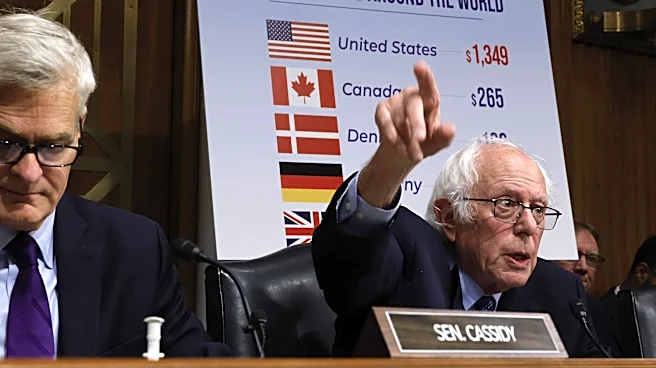
Senator Bill Cassidy, R-La., a key author of the No Surprises Act (NSA), is preparing to release new legislation aimed at reforming the law, according to his health policy advisor, Romney Gripado. The NSA, enacted in 2020, was designed to protect patients
from unexpected medical bills. While successful in this regard, it has faced criticism from both insurers and providers. Insurers argue that providers are exploiting the law's payment resolution process to secure inflated awards, often aided by supposedly independent arbiters. Conversely, providers claim insurers are delaying or withholding payments. Cassidy's proposed bill seeks to address these issues by strengthening program integrity, improving oversight of arbiters, restoring accountability, and increasing transparency in the dispute resolution process. The legislation also aims to protect employers from unnecessary costs, ensure timely compensation for providers, and tackle incentives that may be driving increased arbitration utilization. This initiative follows a series of roundtables Cassidy held with various stakeholders to identify the law's shortcomings.
Why It's Important?
The No Surprises Act, despite its initial goal of protecting patients, has led to significant financial burdens and operational challenges within the U.S. healthcare system. Georgetown research indicates that snowballing disputes, award amounts, and administrative costs have generated over $22 billion in additional spending in just four years. This financial strain is largely passed on to consumers through higher premiums, impacting economic stakeholders across the country. The current system, where providers often win a majority of claims and receive awards well above in-network rates, incentivizes out-of-network practices rather than encouraging contract agreements with insurers. Furthermore, arbiters, intended to be neutral, are reportedly incentivized to allow ineligible claims and rule in favor of providers, exacerbating the problem. Senator Cassidy's reform efforts are crucial for re-establishing the law's original intent: encouraging in-network agreements and lowering healthcare costs, which would benefit consumers, employers, and the overall stability of the healthcare market.
What's Next?
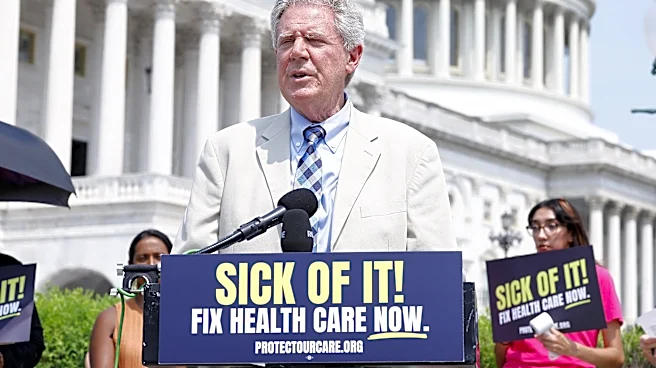
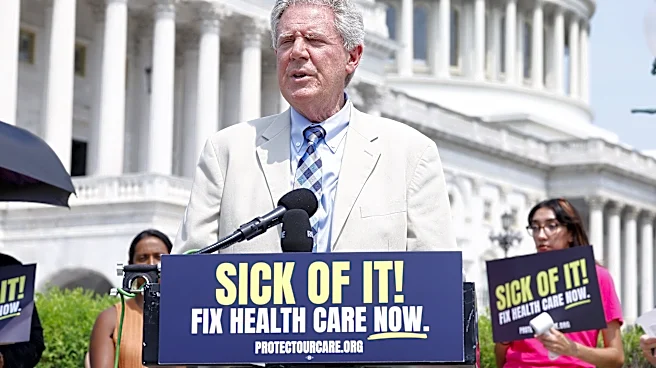
Senator Cassidy plans to introduce his comprehensive legislation to reform the No Surprises Act before he leaves Congress at the end of the year. However, passage before the year's end is unlikely, given the impending shift in congressional leadership in 2027. Despite this, there is bipartisan interest in addressing the NSA's issues, suggesting that a fix could be achieved next year, according to Jackson Hammond, a senior policy analyst at the Paragon Health Institute. Cassidy's bill will take a 'middle-of-the-road approach,' aiming for bipartisan consensus, unlike a separate bill introduced by Rep. Frank Pallone, D-N.J., which would eliminate the arbitration process entirely and tie out-of-network payments to in-network rates. Other potential reforms being considered include setting award ceilings, requiring arbiters to prioritize in-network rates, penalizing arbiters for ineligible cases, and expediting insurer payments. The future of the NSA will depend on these legislative efforts and the ability of stakeholders to find common ground.
Beyond the Headlines
The ongoing challenges with the No Surprises Act highlight a deeper systemic issue within the U.S. healthcare landscape: the complex interplay between patient protection, provider compensation, and insurer costs. The law's unintended consequences, such as the creation of a 'cottage industry' of middlemen assisting providers in disputing claims, underscore the difficulty of implementing healthcare reforms without unforeseen impacts. The debate over the NSA's arbitration process also touches upon ethical considerations regarding the neutrality of arbiters and the potential for financial incentives to skew outcomes. The significant financial burden, projected to exceed 4 million disputes in 2026, far surpasses initial regulatory expectations of 17,000 disputes annually, revealing a fundamental miscalculation in the law's design or implementation. Addressing these issues requires not just legislative adjustments but a re-evaluation of the underlying economic incentives and regulatory oversight within the healthcare billing and payment ecosystem.