


What's Happening?
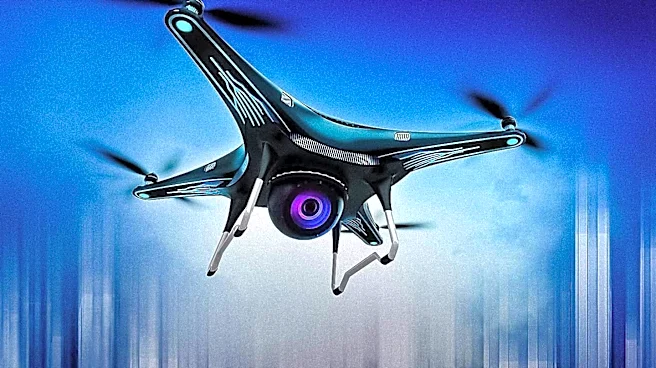
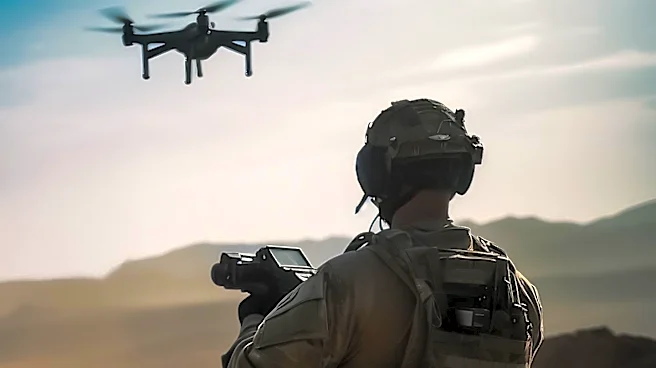
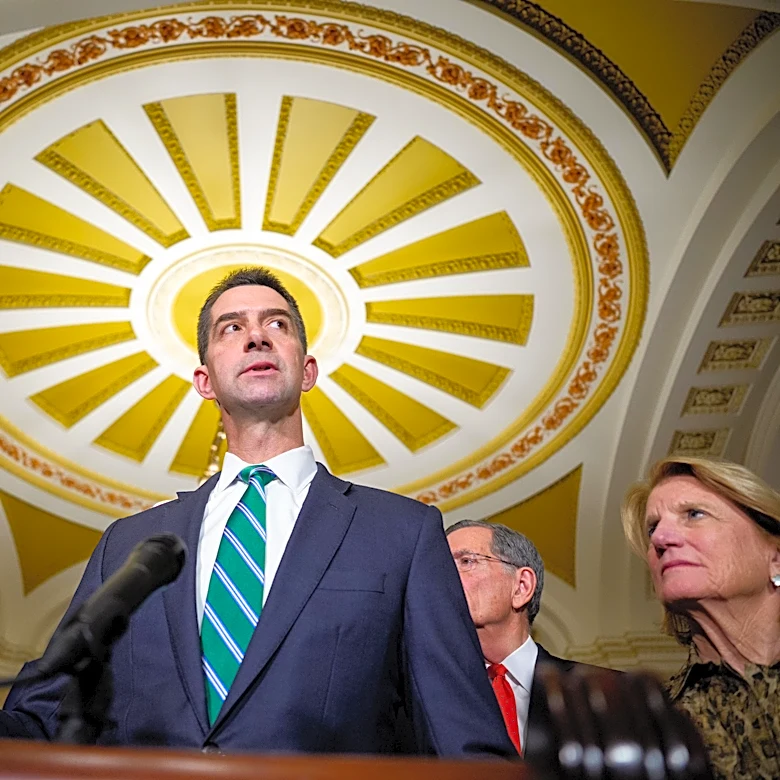
Senator Mike Lee (R-UT) has introduced the Guard the Skies Act, legislation designed to grant the National Guard the authority to counter threats posed by unmanned aerial systems (UAS), commonly known as drones. This bill ensures that the National Guard would
operate under the direction and control of state governors. The legislation aims to address a critical gap in current federal authority, as the National Guard is presently not authorized to engage in jamming, intercepting, or downing drone threats. The bill has a companion version introduced in the House of Representatives by Rep. Michael McCaul (R-TX). Senator Lee emphasized that drones in the wrong hands represent a significant homeland security threat, particularly for major events such as concerts, rallies, races, and sports, including the upcoming 2034 Winter Olympics in Salt Lake City, Utah. The Association for Uncrewed Vehicles International (AUVSI) has expressed support for the bill, highlighting the National Guard's potential as a locally rooted and rapidly deployable force for counter-UAS missions.
Why It's Important?
This legislation is important because it seeks to enhance national security and public safety by empowering a key domestic defense force, the National Guard, to address a growing technological threat. The proliferation of drones, coupled with their potential misuse, poses risks to critical infrastructure, large public gatherings, and national events. By granting the National Guard specific authority to counter UAS threats, the bill aims to fill a recognized gap in current federal capabilities. Existing federal agencies with counter-UAS authority are reportedly stretched thin, and state and local law enforcement often lack the resources and capacity to cover all potential threats. The Guard the Skies Act positions the National Guard as a crucial force multiplier, enabling better coordination with local authorities and strengthening the overall defense against drone-related dangers. This could lead to increased security at public events and better protection of vital assets across the U.S., benefiting citizens and event organizers alike.
What's Next?
The Guard the Skies Act, having been introduced by Senator Mike Lee in the Senate and Rep. Michael McCaul in the House, will now proceed through the legislative process. This will involve committee reviews, potential amendments, and votes in both chambers of Congress. The bill's proponents, including Senator Lee and the AUVSI, will likely advocate for its swift passage, emphasizing the urgency of addressing drone threats. If enacted, the legislation would require the National Guard to develop and implement protocols for counter-UAS operations, potentially involving new training, equipment, and coordination mechanisms with state governors and local law enforcement. The success of the bill will depend on bipartisan support and its ability to navigate potential concerns regarding federal-state authority and the scope of military involvement in domestic security matters.
Beyond the Headlines
The Guard the Skies Act touches upon broader implications concerning the evolving nature of national security in the age of advanced technology. The increasing accessibility and sophistication of drones present novel challenges that traditional security frameworks may not adequately address. This legislation highlights the need for adaptive legal and operational responses to technological advancements. Furthermore, it raises questions about the appropriate balance between federal and state authority in homeland security matters, particularly when involving military assets like the National Guard in domestic operations. The bill could set a precedent for how the U.S. government approaches the integration of military capabilities into civilian security efforts, potentially influencing future legislation related to emerging threats and the role of state-controlled forces in national defense.