



What's Happening?
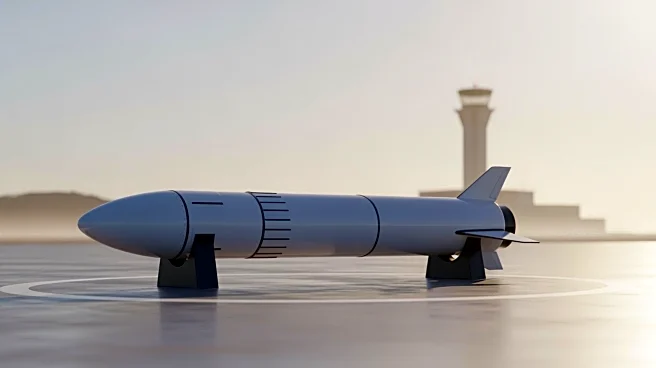
South Korean aerospace startup Innospace attempted its first-ever orbital launch with the Hanbit-Nano rocket from the Alcântara Space Center in Brazil. The launch, which took place on Monday night, ended in failure as the rocket crashed back to Earth
shortly after liftoff. The mission was significant as it marked the first orbital launch attempt by a South Korean private company. The Hanbit-Nano rocket, designed for small satellite missions, lost control about one minute after liftoff, preventing it from reaching orbit. The cause of the failure remains unclear, and Innospace has not yet released a detailed statement. The rocket was carrying five small satellites for customers in Brazil and India, along with three technology demonstration payloads. Despite the setback, Innospace plans to continue developing larger and more powerful launch vehicles to expand its commercial launch capabilities.
Why It's Important?
The failed launch represents a significant setback for South Korea's private space industry, which is striving to establish itself in the global market. Successful orbital launches are crucial for attracting investment and securing contracts with international clients. The failure highlights the challenges faced by new entrants in the space industry, where technical issues and early-stage anomalies are common. However, the incident also underscores the resilience and determination of companies like Innospace, which are expected to learn from the failure and improve future missions. The development of domestic launch capabilities is vital for South Korea's strategic interests, reducing reliance on foreign launch providers and fostering technological innovation within the country.
What's Next?
Innospace is expected to analyze the data from the failed launch to identify the cause of the anomaly and make necessary adjustments for future missions. The company plans to continue developing its Hanbit-Micro and Hanbit-Mini launch vehicles, which are aimed at expanding its commercial launch capabilities. Industry experts anticipate that Innospace will refine its technologies and attempt another launch in the near future. The setback may prompt increased collaboration with international partners and further investment in research and development to enhance the reliability of its launch systems.