






What's Happening?
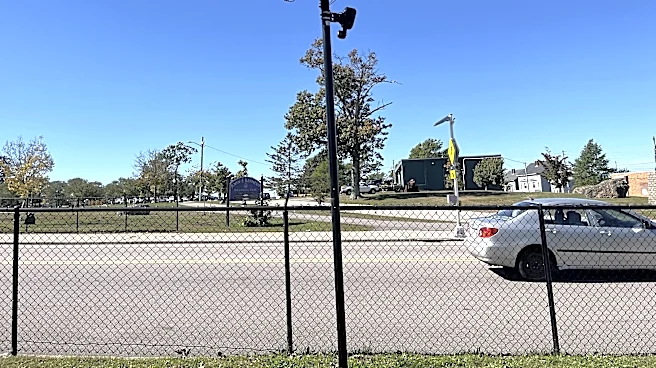
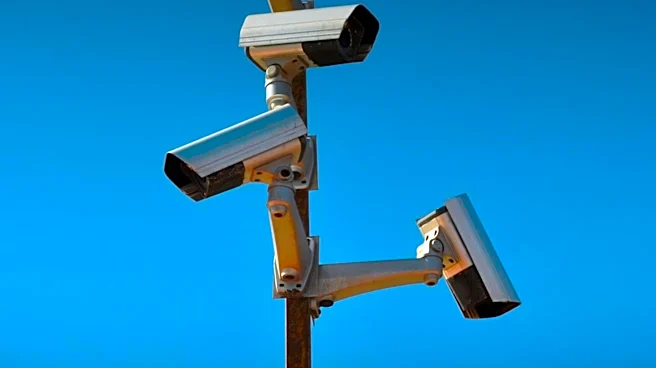
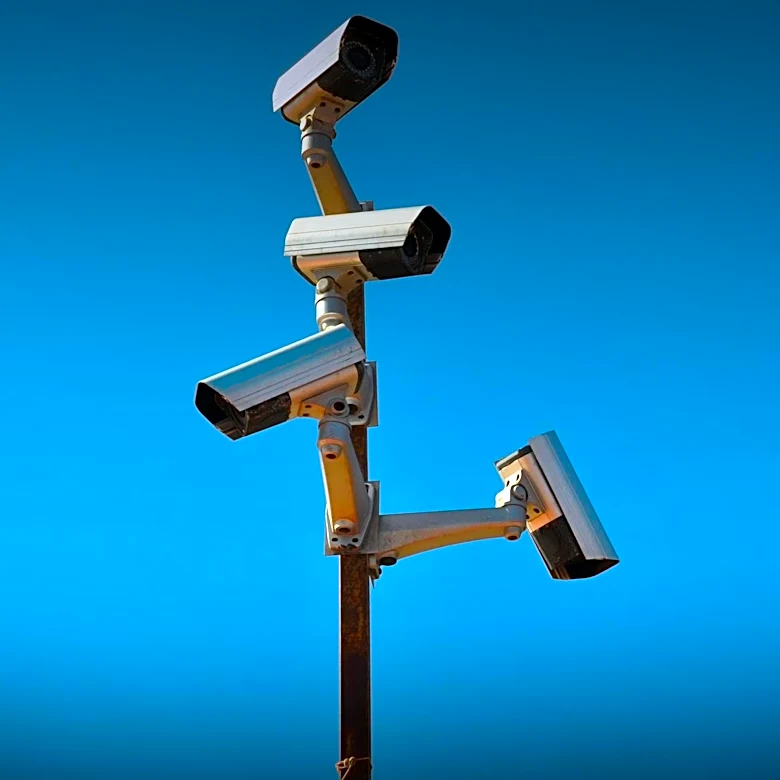
A dispute has emerged on Long Island regarding the use of 'Flock' cameras. These cameras, designed for surveillance, have become a point of contention among residents and officials. According to Flock officials, the images captured by these devices are
exclusively utilized as part of criminal investigations. Greg Cergol reported on the ongoing debate, indicating that concerns likely revolve around privacy implications versus the stated benefits of enhanced public safety. The controversy highlights the growing tension between technological advancements in surveillance and individual civil liberties, a common theme in many communities across the United States.
Why It's Important?
The controversy surrounding 'Flock' cameras on Long Island is important because it reflects a broader national debate about privacy, surveillance, and public safety. The deployment of such camera systems, while touted by officials as tools for criminal investigations, raises significant civil liberties concerns among residents. The potential for mass surveillance, data retention, and the misuse of collected information can erode public trust and infringe upon individual rights. This issue impacts local governance, as communities must weigh the perceived benefits of crime reduction against the potential for privacy violations. The outcome of this debate on Long Island could set a precedent for other communities considering similar technologies, influencing future policy decisions regarding surveillance in public spaces across the U.S. It also highlights the ongoing challenge of balancing security needs with constitutional protections.
What's Next?
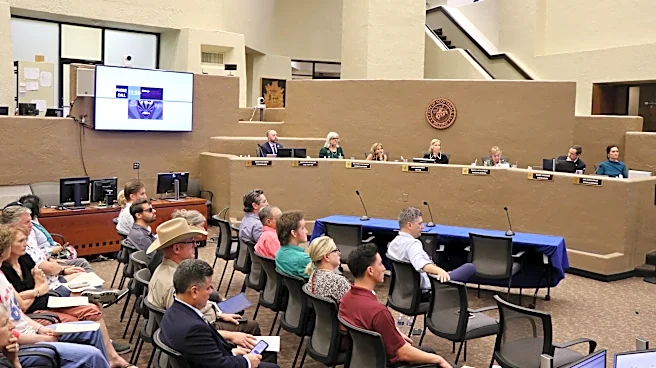
The dispute over 'Flock' cameras on Long Island is likely to continue, with community groups and civil liberties advocates potentially pushing for greater transparency, stricter regulations, or even the removal of these devices. Local government bodies may face pressure to hold public hearings, conduct independent reviews of the camera system's effectiveness and privacy implications, or implement new policies governing their use. Flock officials may need to provide more detailed information on data handling, access protocols, and oversight mechanisms to address public concerns. The debate could also lead to legal challenges, as individuals or organizations might seek injunctions or file lawsuits based on privacy rights. Ultimately, the resolution will depend on the ongoing dialogue between residents, law enforcement, and local authorities, potentially resulting in a compromise that balances public safety with civil liberties, or a more definitive stance on the technology's future in the area.
Beyond the Headlines
The 'Flock' camera controversy on Long Island delves into the deeper societal implications of pervasive surveillance technology. Beyond the immediate concerns of privacy versus public safety, it touches upon the evolving nature of policing and the potential for algorithmic bias in law enforcement. The data collected by these cameras, even if anonymized or used solely for criminal investigations, can contribute to a larger surveillance infrastructure that disproportionately affects certain communities. This raises ethical questions about the 'panopticon effect'—where the constant possibility of being watched alters behavior—and the erosion of public spaces as zones of anonymity. The debate also highlights the need for robust democratic oversight and clear legal frameworks to govern the use of such powerful technologies, ensuring they serve the public good without undermining fundamental freedoms. The long-term impact could shape future urban planning and the very definition of privacy in a technologically advanced society.