


What's Happening?
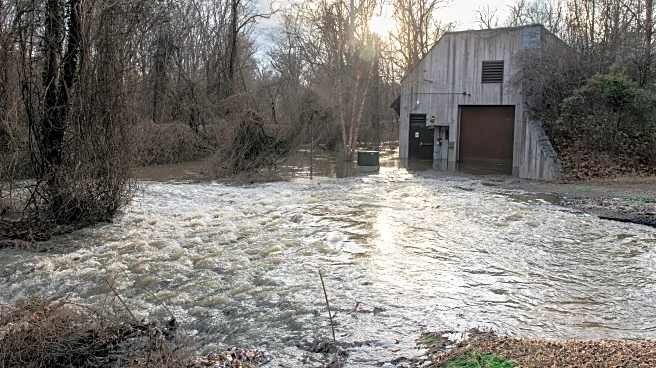
President Donald Trump announced federal intervention to manage the cleanup of a significant sewage spill into the Potomac River, following a sewer line collapse in Montgomery County, Maryland. The incident, which occurred on January 19, resulted in over
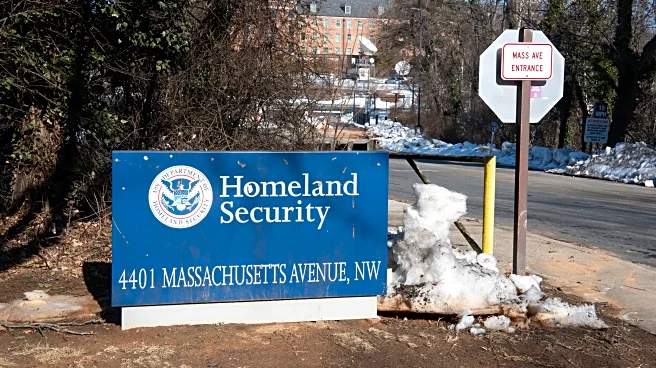
200 million gallons of wastewater contaminating the river. Trump criticized Maryland Governor Wes Moore for mismanagement and directed federal authorities to take charge of the situation. The Environmental Protection Agency (EPA) has been involved in the response, ensuring that the cleanup proceeds swiftly. Local officials, including those from Washington, D.C., have assured the public that the drinking water remains safe, despite the spill.
Why It's Important?
The federal intervention underscores the severity of the environmental and public health risks posed by the spill. The Potomac River is a crucial waterway for the Washington, D.C. region, and contamination could have significant ecological and health impacts. The incident highlights the challenges of aging infrastructure and the need for effective management of such crises. The political dimension is also significant, as it reflects ongoing tensions between federal and state authorities, particularly in Democrat-led regions. The federal government's involvement may set a precedent for future interventions in state-managed environmental issues.
What's Next?
The cleanup process is expected to be extensive, with federal agencies coordinating efforts to mitigate the spill's impact. The Federal Emergency Management Agency (FEMA) will lead the response, although its funding is currently frozen due to a budget standoff in Congress. This financial impasse could delay the response efforts. Local and federal officials will need to collaborate closely to ensure the cleanup is effective and timely. The situation may also prompt discussions on infrastructure investment and regulatory oversight to prevent similar incidents in the future.