








What's Happening?
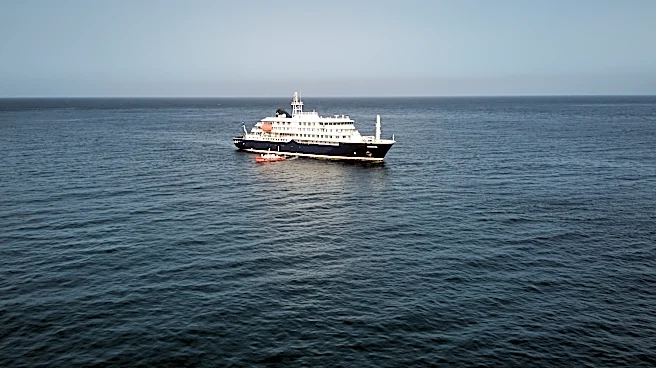
A cruise ship anchored off the coast of Cape Verde is experiencing an outbreak of hantavirus, with evidence suggesting possible human-to-human transmission. The World Health Organization (WHO) has identified three confirmed cases and five suspected cases among
the 147 passengers and crew. The virus, typically spread through rodent excretions, has resulted in three deaths and one patient in intensive care. The outbreak is linked to the Andes Virus, known for its potential human-to-human transmission, and the ship had previously disembarked from Argentina. WHO and other health authorities are implementing isolation and quarantine measures to prevent further spread.
Why It's Important?
This potential human-to-human transmission of hantavirus on a cruise ship represents a significant public health concern, as it challenges existing understanding of the virus's transmission pathways. The situation necessitates a different public health response, including isolation and quarantine beyond the ship. The outbreak could lead to increased scrutiny of cruise ship health protocols and influence future guidelines for managing infectious diseases in confined environments. The incident also highlights the need for rapid response and international cooperation in managing infectious disease outbreaks.
What's Next?
The cruise ship is set to continue to the Canary Islands, where Spanish authorities will conduct a full epidemiological investigation. The ship will be disinfected, and passengers will be assessed. Health officials will monitor those exposed for several weeks due to the virus's incubation period. The situation may prompt reviews of health protocols on cruise ships and influence future public health strategies for managing similar outbreaks.