




What's Happening?
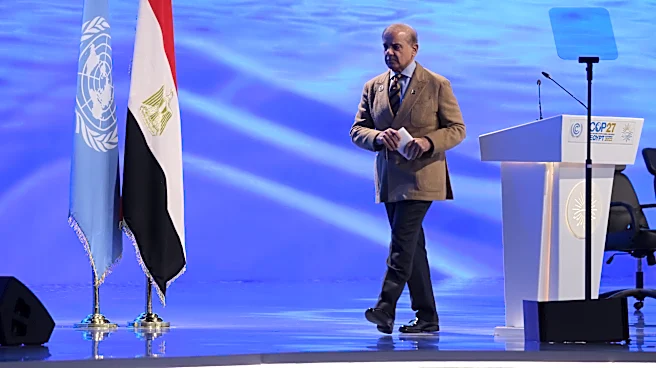
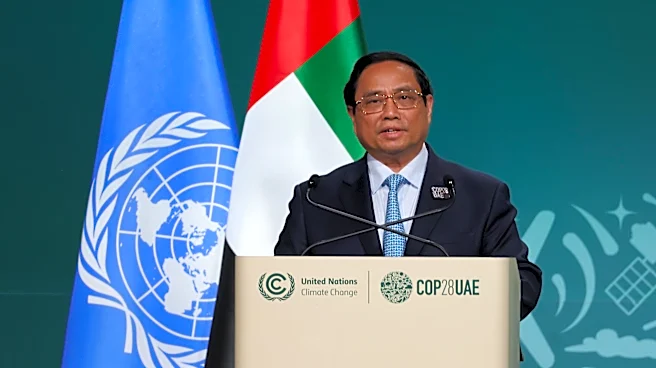
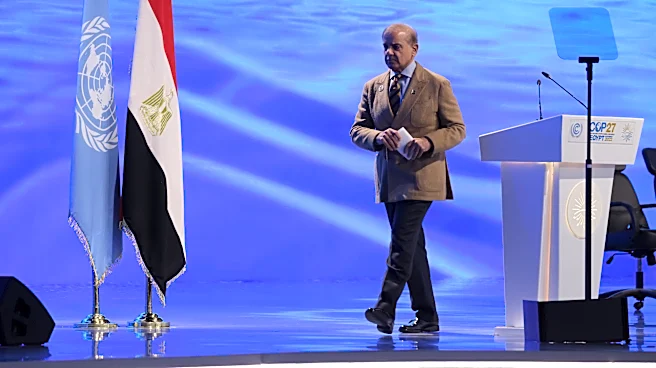
The thirty-first Conference of the Parties (COP31) to the UN Framework Convention on Climate Change is scheduled to take place in Antalya, Turkey, from November 9 to 20. This year's summit is particularly notable as it coincides with the tenth anniversary
of the Paris Agreement's entry into force, yet the United States, the world's second-largest and historically largest emitter, will not send an official delegation, having formally withdrawn from the agreement earlier this year. Despite the absence of an official U.S. delegation, members of Congress and U.S. businesses are still expected to attend. COP31 president Murat Kurum has set a goal to move beyond climate pledges towards concrete implementation of existing commitments, introducing an Action Agenda with 10 themes, including clean energy transition, zero waste, methane reduction, and climate-resilient cities. Voluntary pledges, such as increasing electricity's share of total energy consumption to 35% by 2035 and promoting sustainable artificial intelligence (AI), are also on the agenda.
Why It's Important?
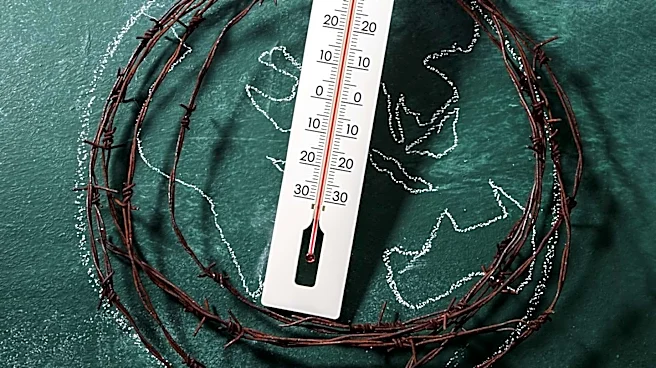
The absence of an official U.S. delegation at COP31 is a significant development that could impact the summit's effectiveness and global climate efforts. As a major emitter, U.S. participation is crucial for driving ambitious climate action and securing international cooperation. While U.S. businesses and congressional members will still be present, the lack of official government representation may signal a diminished commitment to global climate initiatives, potentially undermining the momentum gained from previous agreements. This situation could lead to a loss of leadership in climate negotiations and influence other nations' willingness to commit to more aggressive emissions reduction targets. The focus on implementing existing commitments and voluntary pledges, rather than negotiating new, ambitious targets, reflects a pragmatic approach in the face of geopolitical challenges and varying national priorities. However, it also highlights the ongoing struggle to translate climate rhetoric into tangible, widespread action, especially as the 1.5°C warming limit of the Paris Agreement appears increasingly out of reach.
What's Next?
COP31 is not expected to yield major new breakthroughs, but discussions will continue on contentious issues such as climate finance, emissions reductions, and adaptation funding. Developing nations will likely press developed countries to fulfill existing financial commitments, including the COP29 goal of mobilizing at least $300 billion per year in climate finance by 2035. The treatment of fossil fuels will also remain a point of contention, with vulnerable nations advocating for a clear roadmap to transition away from them. The second global stocktake, an inventory of progress towards the Paris Agreement's goals, will begin at COP31, but delays in science-based reporting from the Intergovernmental Panel on Climate Change (IPCC) could hinder informed decision-making. The outcomes of national elections, particularly in the U.S. and Europe, could further influence future climate policy and the prominence of climate change on national agendas. Despite these challenges, the annual COP process remains vital for keeping climate change on the global agenda and fostering international collaboration on pressing environmental issues.
Beyond the Headlines
The U.S.'s official absence from COP31, even with unofficial attendance, underscores a broader trend of fluctuating national commitments to international climate agreements. This can create uncertainty and potentially weaken the collective resolve needed to address climate change effectively. The emphasis on implementation at COP31 reflects a growing recognition that pledges alone are insufficient; concrete actions and accountability are paramount. The discussions around climate finance highlight the persistent equity issues, with developing nations bearing a disproportionate burden of climate change impacts while often lacking the resources for adaptation and mitigation. The debate over fossil fuels also reveals the complex economic and political challenges of transitioning to a green economy. Ultimately, COP31 will serve as a barometer for the global community's ability to navigate political divisions and economic pressures to confront an existential threat, with the U.S. role, or lack thereof, being a critical factor in its long-term success.