



What's Happening?
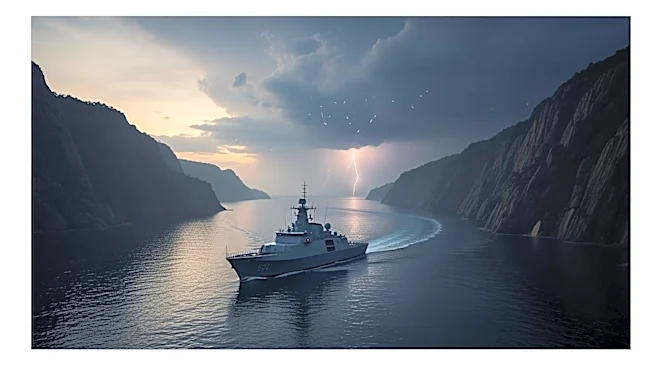
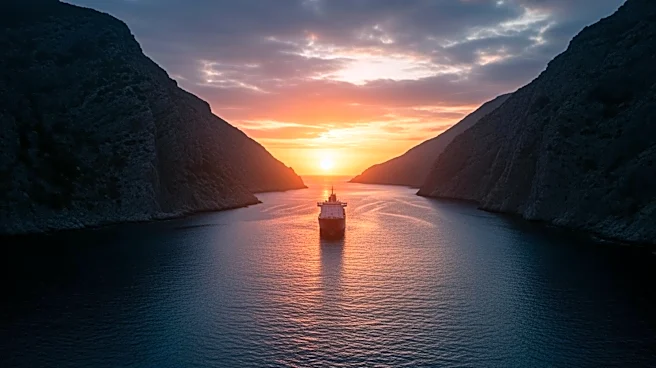
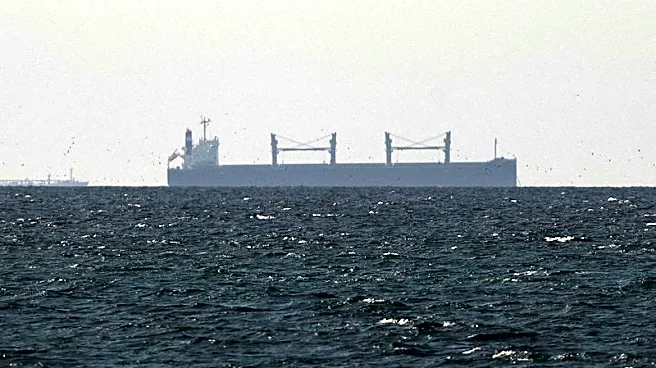
President Trump has issued threats to Iran regarding the reopening of the Strait of Hormuz, a critical maritime passage for global oil shipments. The threats come amid ongoing tensions and conflict in the region, with Iran reportedly stepping away from
negotiations aimed at ending the war. The Free Press' Eli Lake suggests that Trump's aggressive stance could backfire, potentially escalating the conflict further. The Strait of Hormuz is a strategic chokepoint, and any disruption could have significant implications for global oil markets and international relations.
Why It's Important?
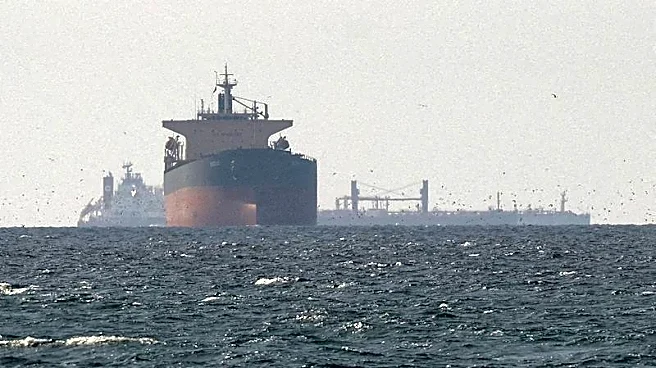
The Strait of Hormuz is one of the world's most important oil transit chokepoints, with a significant portion of the world's petroleum passing through it. Any threats to its security can lead to increased oil prices and economic instability globally. President Trump's threats could exacerbate tensions in the Middle East, potentially leading to military confrontations. This situation also highlights the delicate balance of power in the region and the potential for U.S. foreign policy decisions to have far-reaching consequences. Stakeholders in the oil industry, as well as international governments, are closely monitoring the situation.
What's Next?
If tensions continue to rise, there could be increased military presence in the region from both the U.S. and its allies, as well as from Iran. Diplomatic efforts may intensify to de-escalate the situation and ensure the free flow of oil through the Strait. The international community, including the United Nations, may become more involved in seeking a resolution. Additionally, there could be economic repercussions, such as fluctuations in oil prices, which would impact global markets.