





What's Happening?
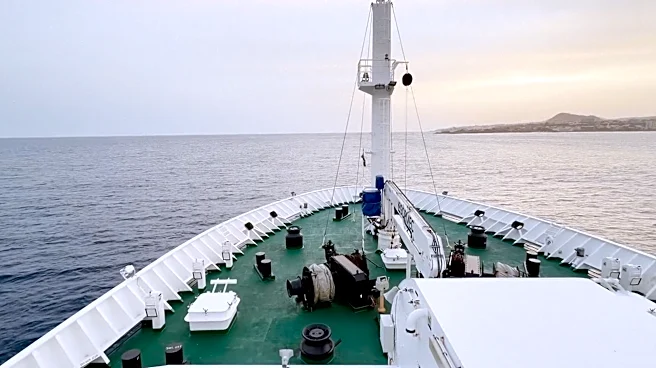
The U.S. is grappling with the management of travelers potentially exposed to the hantavirus, following an outbreak on the cruise ship MV Hondius. The Centers for Disease Control and Prevention (CDC) has requested that U.S. passengers remain in quarantine
at the Nebraska Quarantine Facility until May 31, 2026. This comes after cases were identified among passengers from France, Spain, and Canada. The hantavirus, which can be fatal in about 40% of cases, has prompted different countries to adopt varied strategies for monitoring exposed individuals. While some countries enforce mandatory quarantines and regular testing, the U.S. approach relies on voluntary isolation and symptom-based testing, which experts warn may miss early infections.
Why It's Important?
The handling of this hantavirus outbreak is a critical test for public health systems worldwide, reminiscent of the challenges faced during the COVID-19 pandemic. The U.S. strategy of waiting for symptoms before testing could hinder early detection and containment efforts, potentially allowing the virus to spread. This situation underscores the importance of robust public health measures and international cooperation in managing infectious disease outbreaks. The differing approaches among countries highlight the need for standardized protocols to effectively monitor and control the spread of such diseases.
What's Next?
The CDC's current guidelines may evolve as more data becomes available. There is a possibility of increased testing and stricter quarantine measures if more cases are detected. Public health officials will need to balance resource allocation with the need for comprehensive monitoring to prevent further spread. The situation also calls for improved communication strategies to keep the public informed and engaged in preventive measures. As the monitoring period progresses, the effectiveness of the U.S. approach will be closely scrutinized, potentially influencing future public health policies.