






What's Happening?
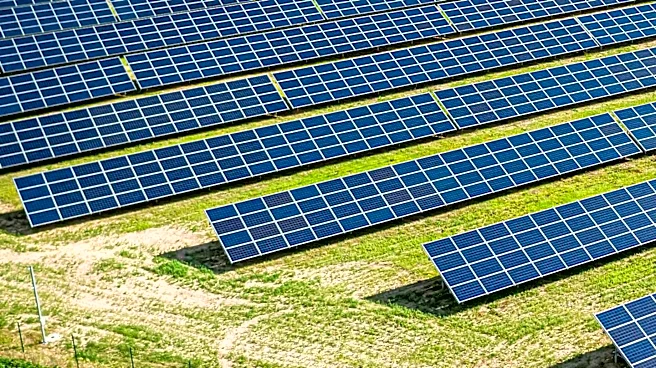
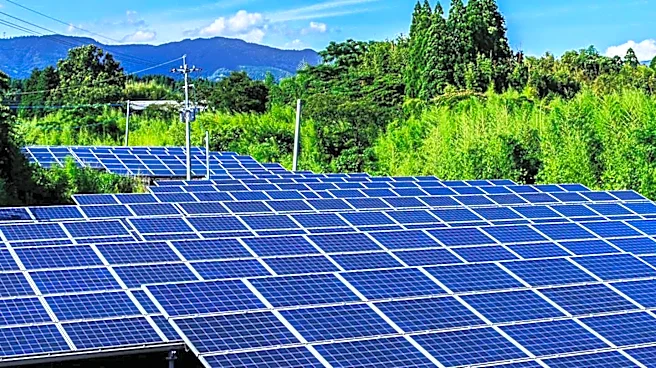
Kyoto, Japan, has successfully converted abandoned golf courses into significant solar power installations. One such project in Fushimi Ward, initiated by Kyocera TCL Solar in 2015, became the largest solar installation in the prefecture by 2017, generating
25 megawatts. This plant utilizes approximately 90,000 Kyocera 270-watt modules, producing an estimated 26,312 megawatt-hours annually, sufficient to power about 8,100 local households. The electricity is sold to Kansai Electric under Japan's feed-in tariff. Another flagship project in Kagoshima, on land originally zoned for a golf course over 30 years ago but never built, began operation in May 2020. This facility boasts 356,928 Kyocera modules, a 100-megawatt capacity, and an expected annual output of 117,000 megawatt-hours, enough for roughly 39,300 households. These conversions leverage the pre-existing infrastructure of golf courses, which are typically expansive, cleared, graded, drained, and connected to roads, making them ideal sites for solar development.
Why It's Important?
The repurposing of abandoned golf courses for solar energy addresses multiple challenges faced by Japan, including land scarcity, the need for renewable energy, and the legacy of its economic bubble. During Japan's economic boom, golf course memberships were speculative assets, leading to an oversupply of courses. When the bubble burst, many were left abandoned or underutilized. These sites now offer a strategic advantage for solar development due to their pre-engineered landscapes, which significantly reduce construction costs and environmental impact compared to developing new sites. This approach provides a sustainable solution for land that would otherwise remain fallow, contributing to Japan's ambitious goal of increasing solar's share of electricity to 23% to 29% by fiscal 2040, up from 9.8% in fiscal 2023. The success of these projects demonstrates a viable model for other regions with similar land-use challenges, turning economic relics into productive assets for green energy.
What's Next?
Japan's recent policy changes, including an amended Forest Act and a tightened Electricity Business Act in 2026, have made it significantly harder to build large-scale solar projects on forested slopes, which were previously common. This shift makes pre-existing cleared and graded land, such as abandoned golf courses, even more strategically valuable for future solar development. The 7th Strategic Energy Plan, approved in February 2025, reinforces the country's commitment to expanding solar energy. Therefore, it is highly probable that more abandoned golf courses across Japan will be identified and converted into solar farms. The long-term feed-in tariff contracts for existing projects, such as Kyoto's running until 2037 and Kagoshima's until 2040, ensure continued operation and revenue, further incentivizing similar conversions. This trend is expected to continue as Japan seeks to meet its renewable energy targets while navigating stricter land-use regulations.
Beyond the Headlines
The conversion of golf courses into solar farms highlights a broader societal shift in valuing land use and environmental sustainability. Historically, golf courses symbolized luxury and leisure, often occupying vast tracts of land. Their transformation into energy-producing sites reflects a pragmatic approach to resource management, where aesthetic and recreational values are re-evaluated against ecological and energy needs. This trend also underscores the long-term consequences of economic bubbles, as the remnants of past speculative investments are now being repurposed for public good. Ethically, it presents a compelling case for sustainable urban planning and the adaptive reuse of infrastructure. Culturally, it signifies a move away from conspicuous consumption towards a more utilitarian and environmentally conscious ethos, demonstrating how a nation can creatively address its energy demands by leveraging its past economic excesses.