







What's Happening?
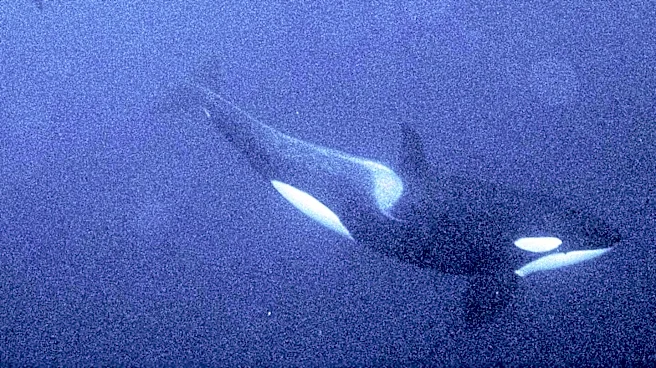
Environmental groups are raising alarms over a proposed oil pipeline by the Alberta government, which could have devastating effects on the endangered southern resident killer whales. The pipeline, intended to transport one million barrels of crude oil daily
to an export terminal in southern British Columbia, would significantly increase tanker traffic in the Salish Sea, a critical habitat for the whales. Experts warn that the increased noise and pollution from tankers could disrupt the whales' communication and feeding patterns, further endangering the already vulnerable population. The proposal is currently under review by the federal Major Projects Office.
Why It's Important?
The proposed pipeline highlights the ongoing conflict between economic development and environmental conservation. The southern resident killer whales are protected under the Species At Risk Act, and their survival is threatened by habitat degradation and declining prey availability. The pipeline could exacerbate these issues, leading to further population decline. The situation underscores the need for sustainable development practices that balance economic interests with environmental protection. The outcome of this proposal could set a precedent for future infrastructure projects in ecologically sensitive areas.
What's Next?
The federal government faces a decision on whether to designate the pipeline as a project of national interest, which could expedite its approval process. Environmental groups are likely to continue advocating against the project, potentially leading to legal challenges. The government may also consider amendments to the Species At Risk Act to address concerns about the pipeline's impact on endangered species. The decision will be closely watched by stakeholders on both sides, as it could influence future policy decisions regarding infrastructure development and environmental conservation.